2027 Wedding Trends: 16 Ideas Defining the Future of Weddings
This post may contain affiliate links, which means I'll receive a commission if you purchase through my link, at no extra cost to you. Please read the full disclosure.
Wedding trends in 2027 are moving beyond traditional decor and predictable celebrations. Couples are embracing richer color palettes, artistic floral installations, distinctive venues, and deeply personal details that reflect who they are. At the same time, the guest experience is becoming just as important as the visual design, with interactive dining, immersive entertainment, and a growing emphasis on privacy.
From vintage-inspired lace to cinematic wedding photography, these are the 16 wedding trends set to inspire celebrations in 2027.
1. Sophisticated, Rich Color Palettes
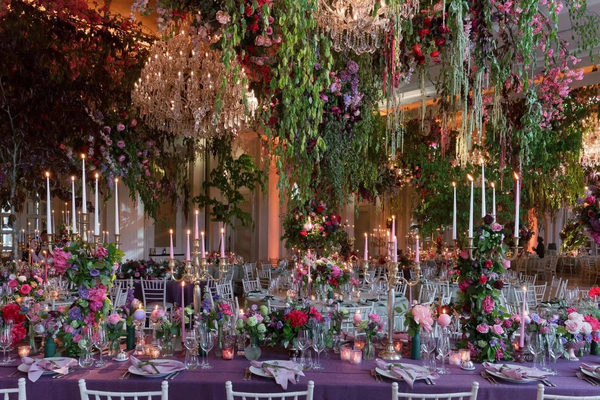
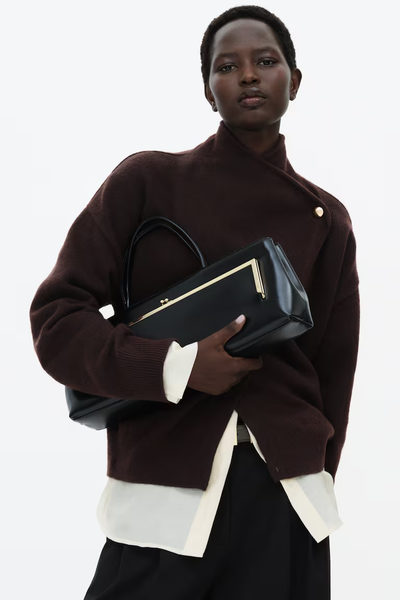
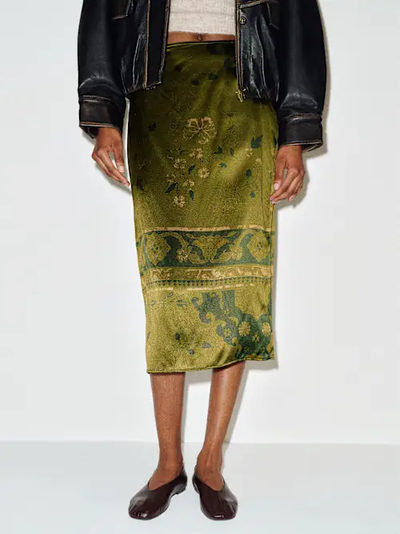
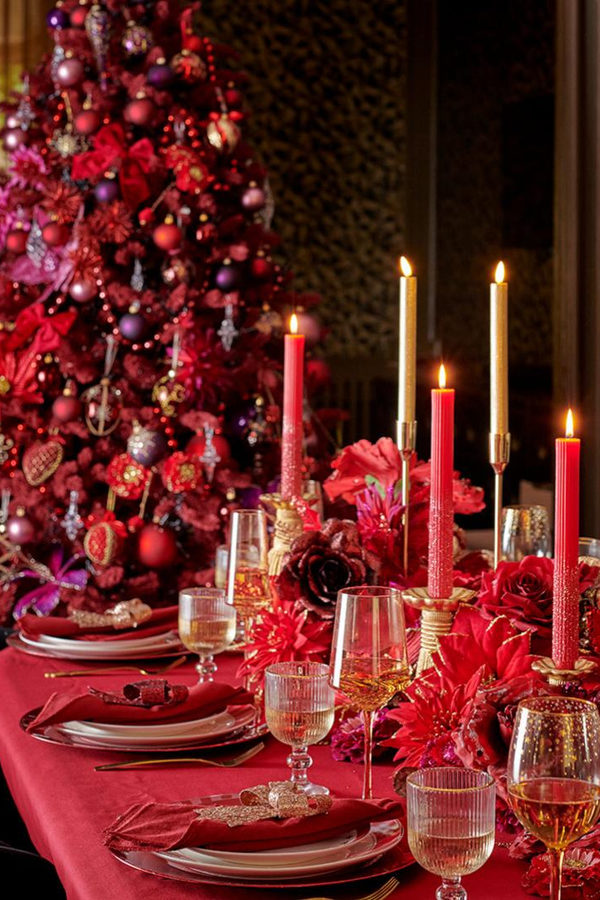
After years of soft neutrals and understated pastels, richer color combinations are bringing new depth to wedding design. Think burgundy, plum, chocolate brown, moss green, and deep blue, balanced with champagne, ivory, or muted metallic accents.
Rather than using one dominant color throughout the venue, couples can layer complementary shades across floral arrangements, table linens, stationery, and bridesmaid dresses. The result feels sophisticated and intentional without looking overly coordinated.
This trend works particularly well for autumn and winter weddings, although lighter fabrics and fresh floral arrangements can make deeper colors feel equally beautiful in spring and summer.
2. Antique Lace Everywhere
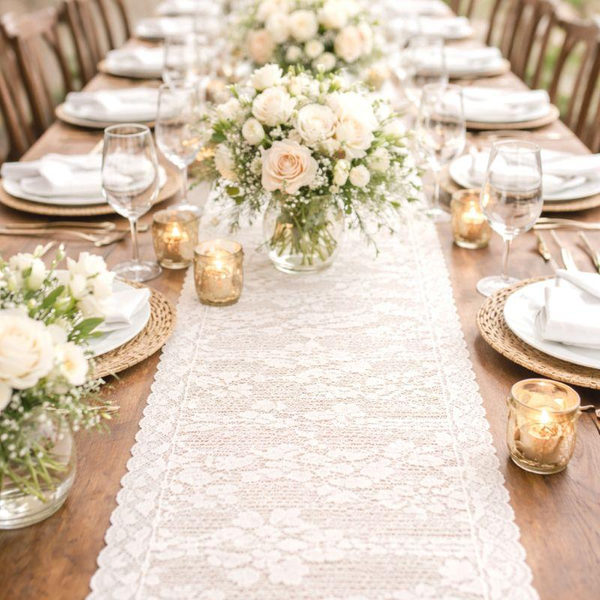
Lace is returning as a romantic design element, but its appeal extends well beyond the wedding dress. In 2027, vintage-inspired lace can influence everything from invitation suites and ceremony backdrops to table runners, napkins, and delicate decorative details.
The most modern approach combines antique textures with clean silhouettes and contemporary styling. An ivory lace runner against a dark wood table, for example, creates a beautiful contrast between old-world romance and modern sophistication.
Couples can also introduce lace through heirloom textiles or family keepsakes, giving the aesthetic a more personal meaning.
3. Monofloral Installations
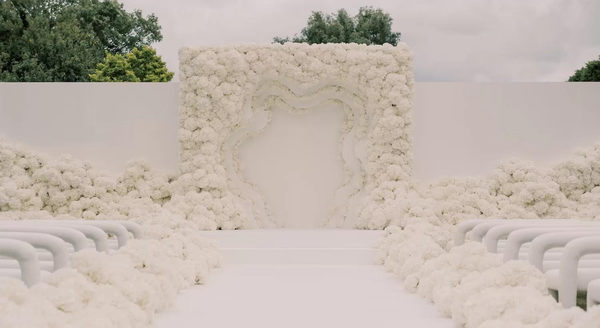
Instead of combining dozens of different flowers, couples are increasingly drawn to the visual impact of arrangements built around a single flower variety. Picture an abundance of white hydrangeas, roses, tulips, or calla lilies used throughout a ceremony installation or reception space.
The appeal lies in repetition, scale, and texture. A large installation of one flower can feel more striking than a mixed arrangement, particularly when the color palette remains restrained.
This approach can be adapted to different budgets, from a dramatic ceremony backdrop to smaller, coordinated centerpieces. Choosing flowers that are readily available in the wedding season can also help manage costs.
4. Whimsical, Sculptural Florals
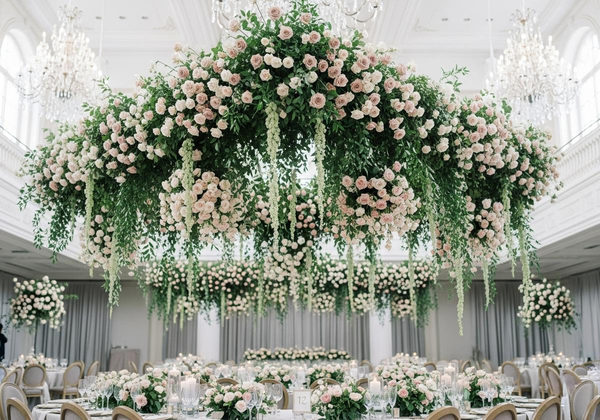
Wedding flowers are becoming more expressive, with arrangements that resemble works of art rather than traditional bouquets. Oversized blooms, asymmetrical silhouettes, unexpected proportions, and installations that appear to grow organically through a space all contribute to this look.
Some designs emphasize dramatic height, while others feature flowers suspended overhead or arranged in unusual, architectural forms. The goal is to create a memorable visual moment without making every corner of the venue equally elaborate.
For couples who want a distinctive celebration, sculptural florals can serve as the central design feature, allowing simpler linens, furniture, and table settings to balance the overall effect.
5. The Beach Club Wedding
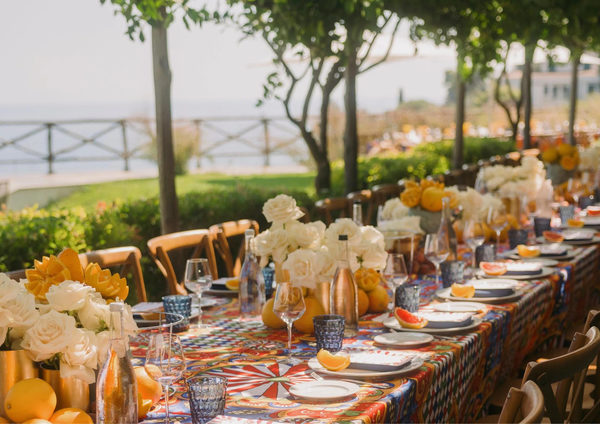
Inspired by Mediterranean destinations and relaxed luxury, the beach club wedding combines coastal scenery with the atmosphere of an elegant summer getaway.
Blue-and-white stripes, lemon accents, woven textures, natural linens, and outdoor cocktail stations can create a fresh, welcoming setting. Long lunches, sunset aperitifs, and leisurely dinners make the celebration feel more like a destination experience than a conventional reception.
This aesthetic does not require an actual beach. A garden, poolside venue, coastal restaurant, or sunlit estate can deliver a similar atmosphere with the right styling.
The key is to balance playful summer details with polished table settings and thoughtful hospitality.
6. Swans & Balletcore
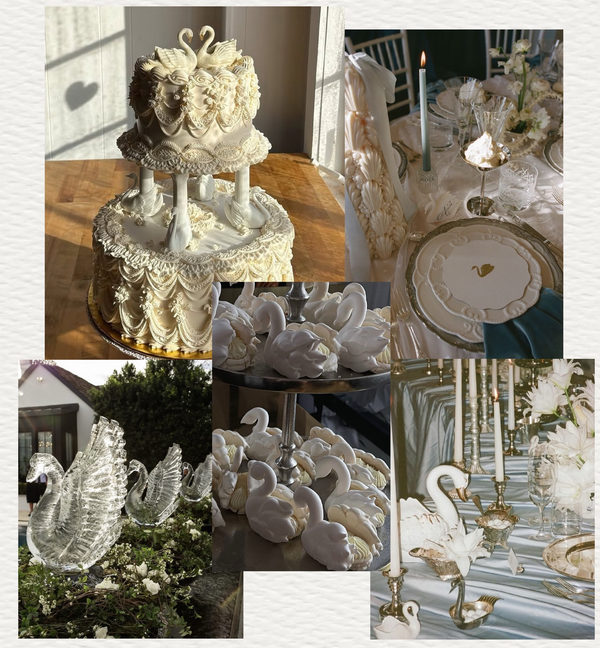
Romantic, delicate, and slightly theatrical, the swan and balletcore aesthetic brings a softer, dreamlike quality to wedding design.
Expect inspiration from ballet costumes, graceful silhouettes, flowing ribbons, pearl details, delicate feathers, and sculptural swan motifs. These elements can appear in stationery, cakes, ceremony decor, or carefully chosen accessories.
The look works best when it feels suggestive rather than literal. A pair of swan-inspired details, flowing white fabric, and graceful floral arrangements can establish the mood without turning the entire celebration into a themed event.
For couples drawn to a romantic wedding aesthetic, this trend offers a fresh alternative to traditional fairytale styling.
7. Silver Is the New Statement Metallic
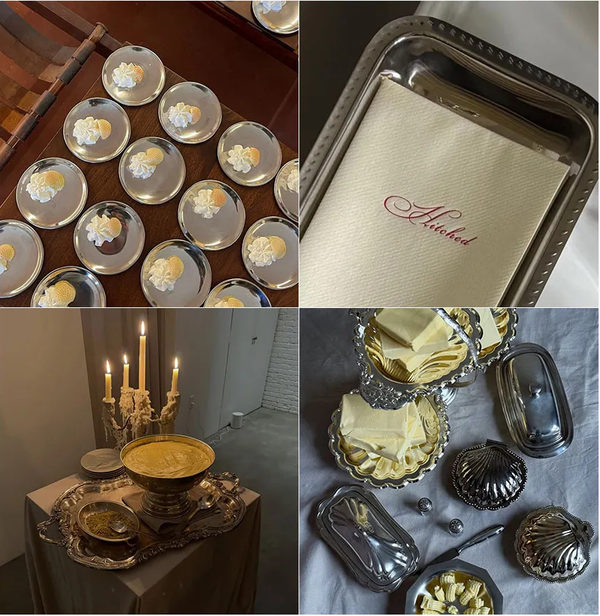
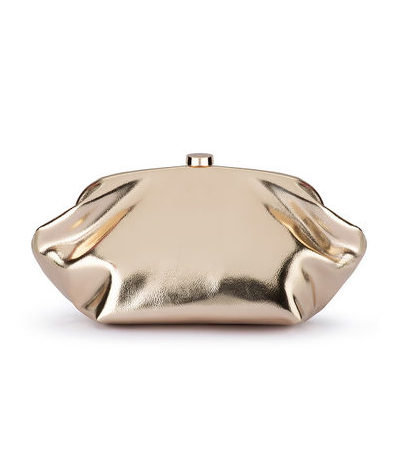
Silver and chrome are offering a cooler, more contemporary alternative to the warm gold accents that have dominated many wedding designs.
Polished silver candlesticks, reflective vases, sculptural tableware, metallic chairs, and mirrored surfaces can introduce a modern edge. Brushed or antique silver creates a softer, more understated effect, while chrome and mirror finishes feel distinctly futuristic.
Silver also works beautifully with several of the other emerging aesthetics, including rich color palettes, art-inspired decor, and minimalist floral arrangements.
For a balanced look, couples can combine reflective metallic details with natural flowers, textured linens, and warm candlelight.
8. Art-Inspired Weddings
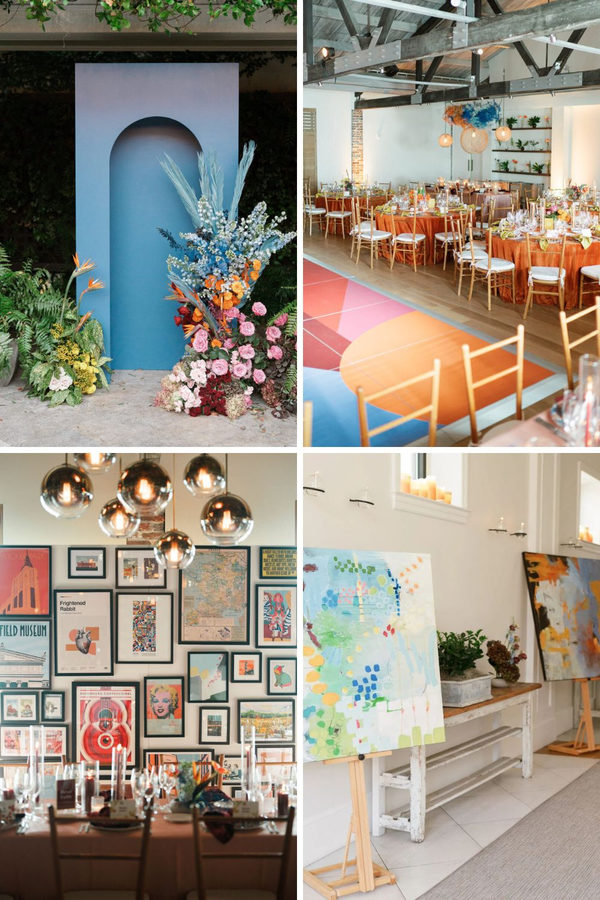
For couples who want their wedding to feel genuinely individual, art is becoming an important source of inspiration. Rather than following one established theme, the celebration can draw on a favorite painting, an architectural movement, a sculpture, or the atmosphere of a contemporary gallery.
Abstract stationery, expressive color combinations, unusual floral compositions, and curated installations can give the event the feeling of a thoughtfully designed exhibition.
An art-inspired wedding does not need to be extravagant. Even a few distinctive choices, such as painterly menus, an unconventional ceremony backdrop, or sculptural centerpieces, can create a strong visual identity.
The most successful interpretations feel personal rather than overly conceptual, with every design choice contributing to the atmosphere.
9. Unconventional Wedding Venues
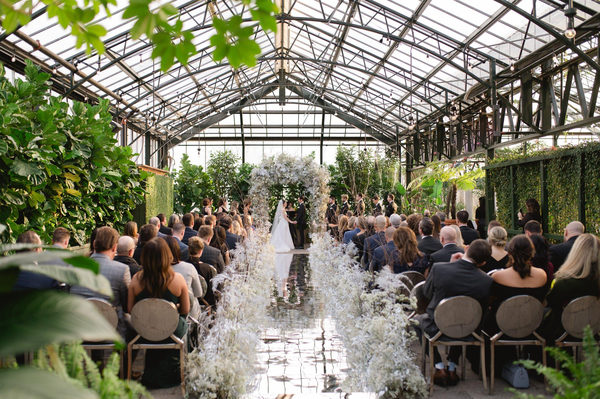
Traditional ballrooms and hotel reception spaces remain popular, but couples are also looking for venues with their own character. Art galleries, historic homes, greenhouses, private estates, libraries, and architecturally distinctive buildings can provide a memorable setting before any decorations are added.
Choosing a venue with strong existing features can also reduce the need for elaborate styling. A historic staircase, dramatic windows, original stonework, or an established garden may provide much of the visual interest.
The practical considerations are important, too. Couples should evaluate guest capacity, accessibility, weather contingencies, catering facilities, and rental requirements before committing to an unconventional space.
In 2027, the appeal is not simply choosing somewhere unexpected. It is finding a location that makes the celebration feel uniquely suited to the couple.
10. The Wedding Brand
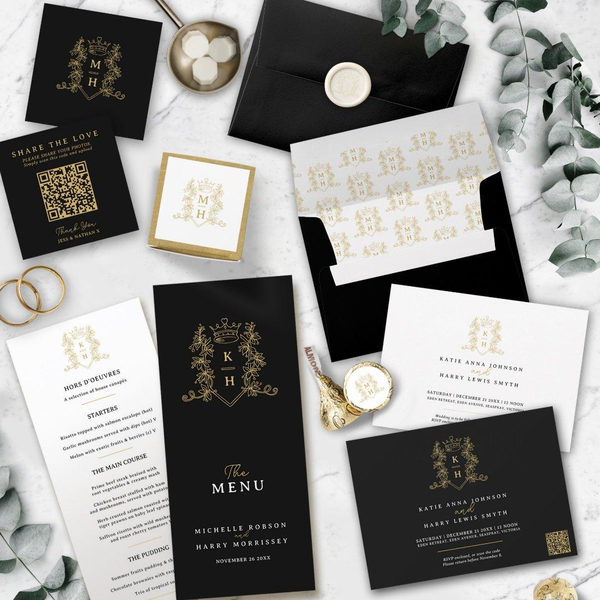
Wedding personalization is evolving into something more cohesive: a visual identity that connects every part of the celebration.
Couples may create a custom monogram, illustrated crest, distinctive typography, or signature motif and carry it through invitations, menus, ceremony programs, welcome signs, cocktail napkins, and favors.
The design can also extend to the wedding website, digital invitations, and pre-wedding events, creating a consistent experience from the first announcement to the final thank-you note.
A successful wedding identity does not need to resemble a corporate brand. It should reflect the couple’s personality, whether that means elegant calligraphy, playful illustrations, a modern graphic design, or a motif inspired by their shared history.
The secret is consistency without repetition: the same visual language can appear in different forms throughout the celebration.
11. Prop Surrealism
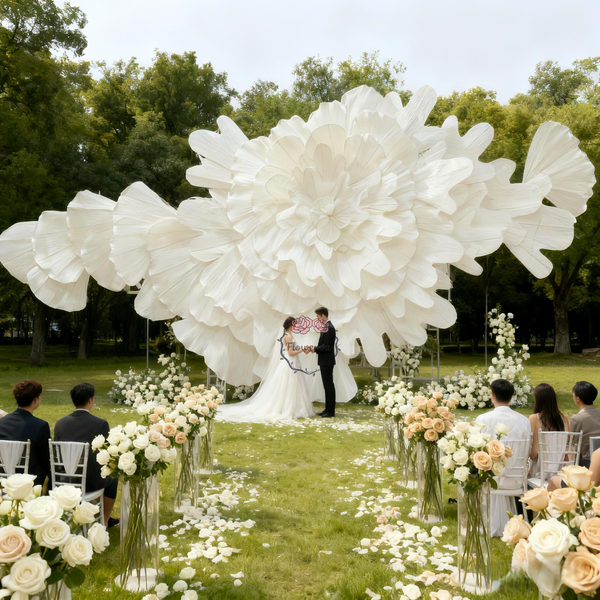
For couples who want something more daring, surrealist wedding decor introduces unexpected objects, exaggerated proportions, and imaginative installations.
A sculptural ceremony structure, oversized decorative elements, unusual furniture, or an installation that appears to defy conventional proportions can transform an ordinary venue into an immersive environment.
This trend is especially suited to fashion-forward celebrations, where decor becomes part of the visual storytelling rather than a simple backdrop.
However, surrealism works best when there is a clear design concept. A few carefully selected statement pieces will usually create a stronger impression than filling the venue with unrelated props.
For a more practical interpretation, couples can reserve the boldest installation for one focal point, such as the ceremony entrance, reception stage, or cake display.
12. Interior Design Weddings
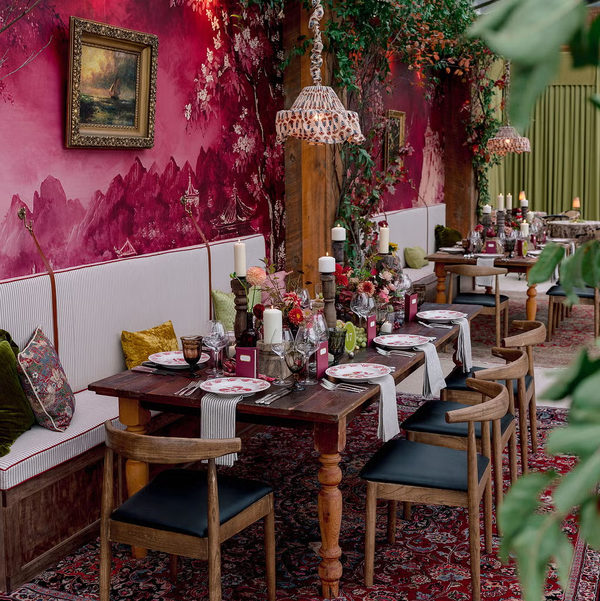
The influence of interior design is bringing a more residential, layered feeling to wedding receptions. Instead of treating the venue as a blank event space, couples are creating environments that feel furnished, collected, and comfortable.
Vintage chairs, sculptural lamps, upholstered seating, side tables, framed artwork, and richly textured fabrics can make a reception feel like an elegant private home.
Lounge areas are particularly effective because they give guests somewhere to relax and talk away from the dining tables. Different seating arrangements can also create a more natural flow throughout the venue.
This aesthetic is about more than adding furniture. The colors, materials, lighting, and proportions should work together as they would in a thoughtfully designed interior.
The result is a celebration that feels warm and intimate while retaining a sophisticated sense of style.
13. Interactive Dining & “Cake Theatre”
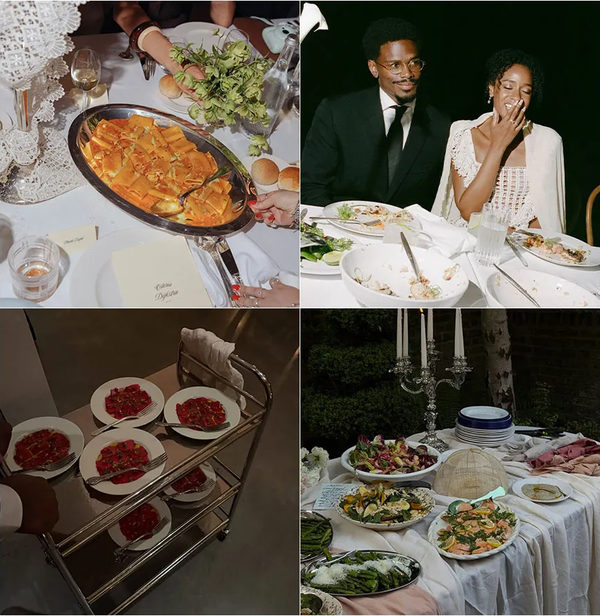
Food is becoming an increasingly memorable part of the wedding experience. Rather than limiting the meal to a sequence of plated courses, couples can introduce interactive stations and dramatic culinary presentations that encourage guests to participate.
Live pasta preparation, made-to-order desserts, oyster bars, chef-led tasting stations, and customized cocktail counters can turn dining into a form of entertainment.
The wedding cake can become a focal point in its own right. A dramatic cake reveal, an elaborate cutting ceremony, a live finishing demonstration, or an artfully staged dessert presentation gives guests a moment to anticipate and photograph.
This is the idea behind “cake theatre”: the cake is not simply served at the end of the evening but presented as part of the celebration’s visual storytelling.
The key is to make these experiences enjoyable rather than inconvenient. Stations should be easy to access, queues should be managed, and dietary requirements should be considered from the beginning.
14. Cultural Menus & Personal Food Stories
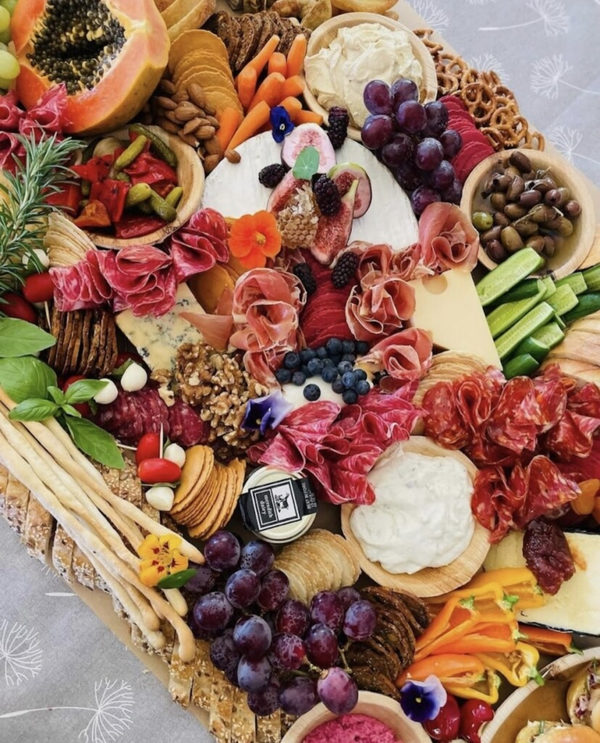
Personalization is also changing what appears on the wedding menu. Couples are moving beyond standardized reception meals to incorporate family recipes, regional specialties, cultural traditions, and dishes connected to meaningful memories.
A menu might combine cuisines from both partners’ backgrounds, recreate a dish from a memorable trip, or feature a dessert that has been part of one family’s celebrations for generations.
These choices offer guests a more intimate understanding of the couple’s story. They can also make a multicultural wedding feel more authentic by giving both families a meaningful place in the celebration.
Presentation matters, but the story behind the food is what makes this trend distinctive. A short menu note explaining a family recipe or the significance of a traditional dish can add context without making the dining experience feel overly formal.
Couples should work closely with their caterers to ensure that cultural dishes are prepared thoughtfully and served in a way that respects their origins.
15. Editorial-Cinematic Wedding Photography
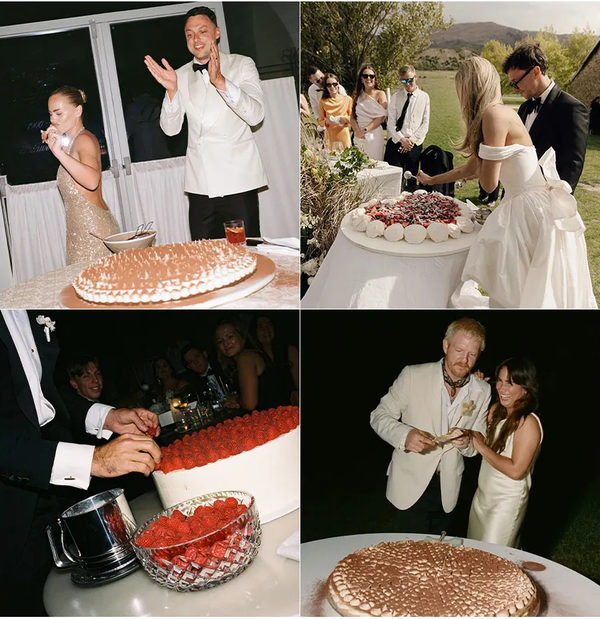
Wedding photography is increasingly influenced by fashion editorials, film stills, and documentary storytelling. The result combines carefully composed portraits with spontaneous moments that capture the real atmosphere of the day.
Direct-flash photography, movement, atmospheric lighting, film-inspired color grading, and unconventional compositions can create images that feel less posed and more expressive.
Instead of documenting only the ceremony and formal portraits, photographers may also focus on small details: guests greeting one another, a veil moving in the wind, an unplanned dance-floor moment, or the quiet atmosphere before the ceremony begins.
Couples can help achieve this style by sharing visual references with their photographer and discussing how much direction they prefer. Some may want polished editorial portraits, while others prefer a largely documentary approach.
The best results come from a photographer whose style matches the couple’s personality, rather than from trying to reproduce every viral wedding image.
16. Privacy-First Weddings
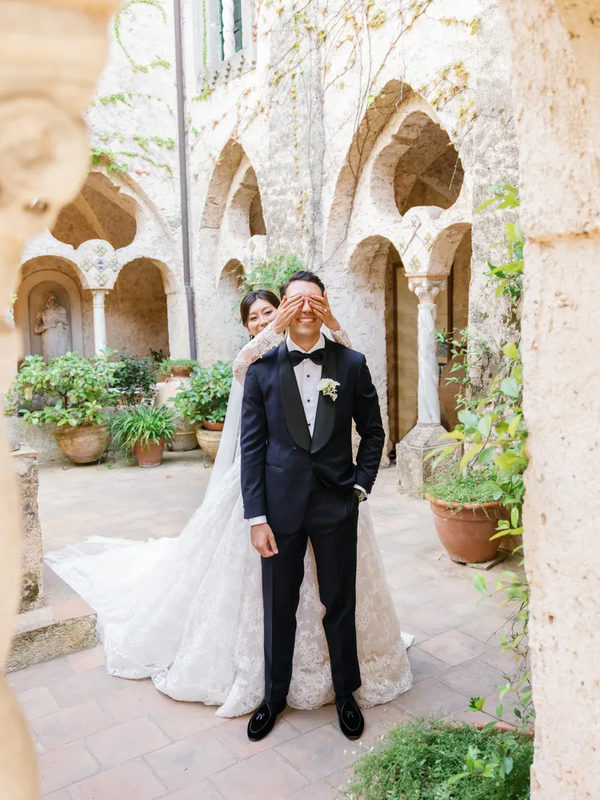
More couples are choosing to keep their most emotional wedding moments private. Instead of a public altar reveal or sharing deeply personal vows in front of a large crowd, they may opt for a private pre-ceremony first look, a first touch around a corner, or an intimate exchange of handwritten letters.
This desire for privacy can extend beyond the ceremony. Unplugged weddings, limited social media sharing, and smaller guest lists allow couples to focus on their relationship rather than the pressure to document every moment.
Privacy-first weddings aren’t about avoiding photography or social media altogether. They’re about deciding which moments to share with guests and which to keep just for themselves.
Final Thoughts
The defining wedding trends of 2027 reflect a broader shift toward celebrations that are visually distinctive, deeply personal, and thoughtfully designed around the guest experience.
Some couples will gravitate toward rich colors, sculptural flowers, and artistic installations. Others will prefer intimate venues, meaningful cultural traditions, or a more private approach to sharing their wedding day.
There is no single aesthetic that defines a modern wedding. The most compelling celebrations combine a few well-chosen trends with details that genuinely reflect the couple. That balance between visual impact and personal meaning is what makes a wedding feel memorable long after the day itself has passed.