2027 Wedding Guest Dress Trends: 10 Fashion-Forward Trends to Know
This post may contain affiliate links, which means I'll receive a commission if you purchase through my link, at no extra cost to you. Please read the full disclosure.
Wedding guest fashion is becoming more expressive, with statement-making details, distinctive fabrics, and thoughtful silhouettes offering fresh alternatives to the traditional occasion dress. For 2027, the most compelling wedding guest looks are less about following a single color palette and more about choosing a dress with a memorable design feature.
From sculptural one-shoulder silhouettes and dramatic bows to sheer fabrics, intricate beadwork, and oversized prints, these wedding guest dress ideas balance contemporary fashion with the elegance a wedding celebration calls for.
Whether you’re attending a romantic garden ceremony, a formal evening reception, or a destination wedding, these 10 design directions offer inspiration for finding a dress that feels special without overshadowing the occasion.
1. Asymmetrical Designs and One-Shoulder Dresses
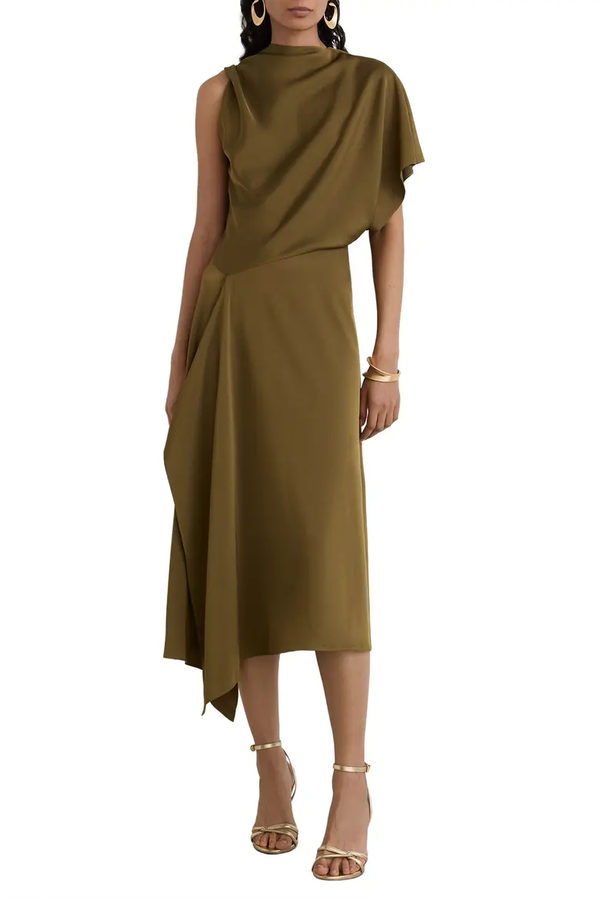
Asymmetry brings an architectural quality to wedding guest dressing. Instead of relying on elaborate embellishments, these dresses use an unexpected neckline, an angled hem, or an off-center drape to create visual interest.
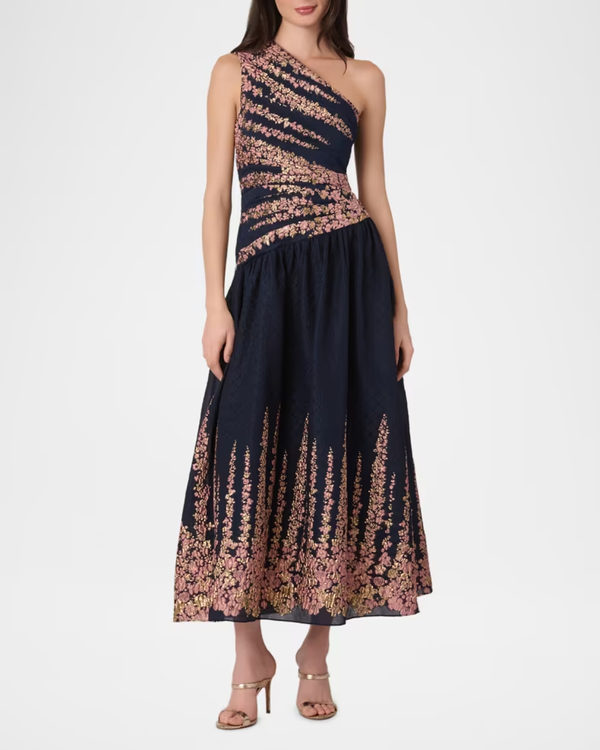
One-shoulder dresses are a particularly striking interpretation of this look. A single exposed shoulder creates a clean, elongated line, while an asymmetrical bodice can make even a minimalist gown feel distinctive. For a more dramatic effect, look for sculptural folds, diagonal ruching, or a skirt that falls at an irregular angle.
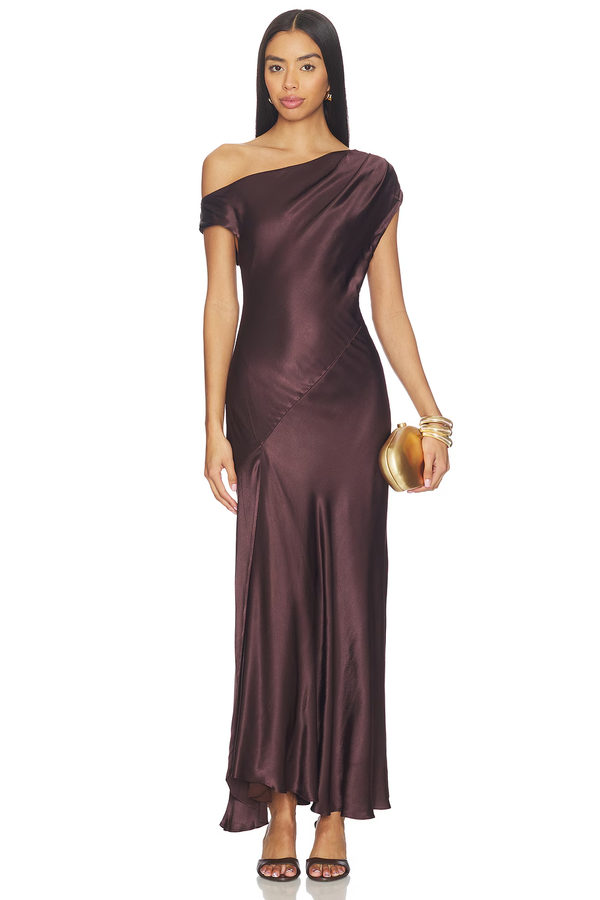
Satin and crepe emphasize the precision of the silhouette, while chiffon offers a softer, more romantic interpretation. For formal evening weddings, a floor-length one-shoulder gown in emerald, burgundy, or midnight blue makes an elegant choice. A midi dress with an asymmetric neckline works beautifully for cocktail-attire celebrations.
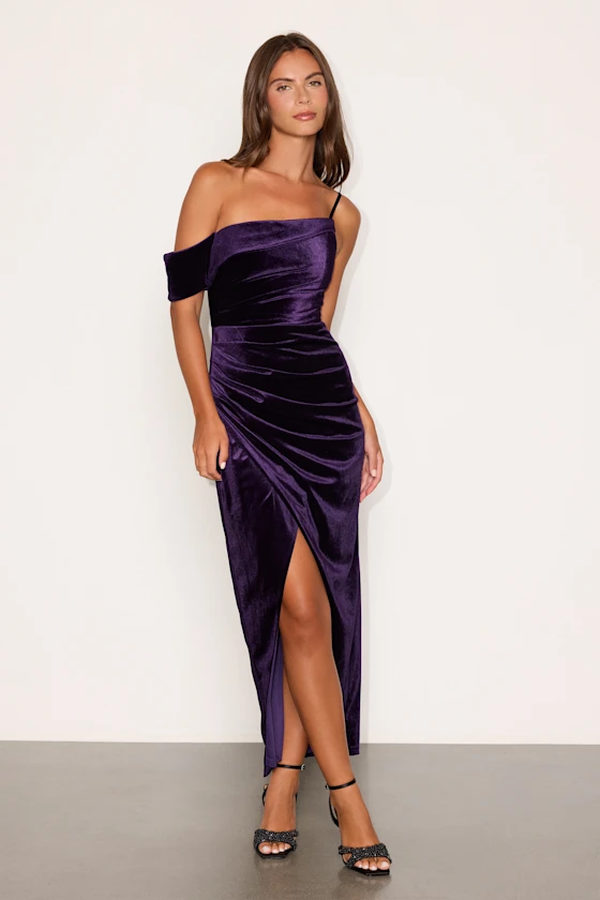
How to wear it: Keep accessories relatively streamlined. Sculptural earrings and elegant heels complement the neckline without competing with it. If the dress has an elaborate shoulder detail, skip a necklace.
2. Textured Jacquard and Brocade
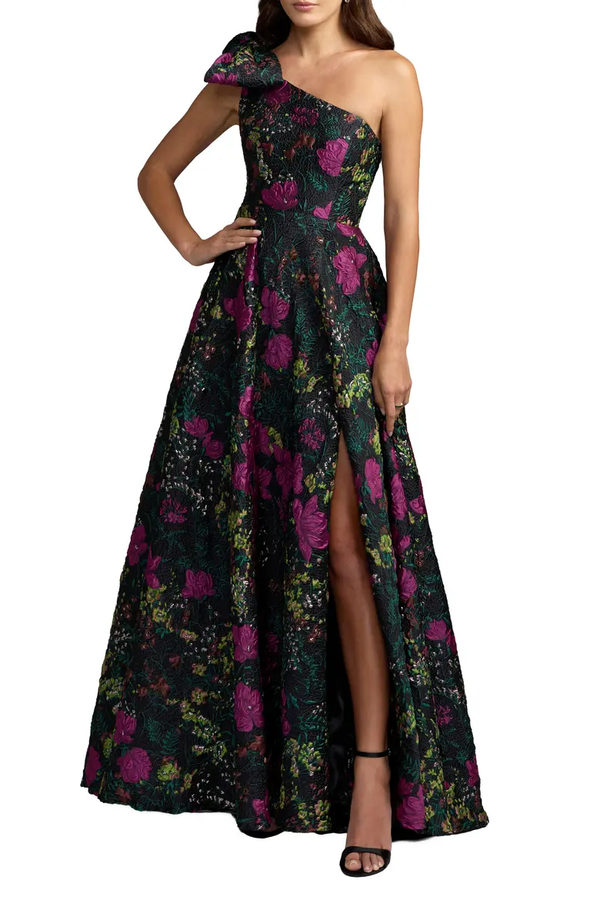
For guests who appreciate luxurious fabrics, jacquard and brocade dresses offer an alternative to conventional satin and chiffon. Their appeal lies in the material itself: woven patterns, raised motifs, and dimensional textures create richness even when the silhouette is relatively simple.
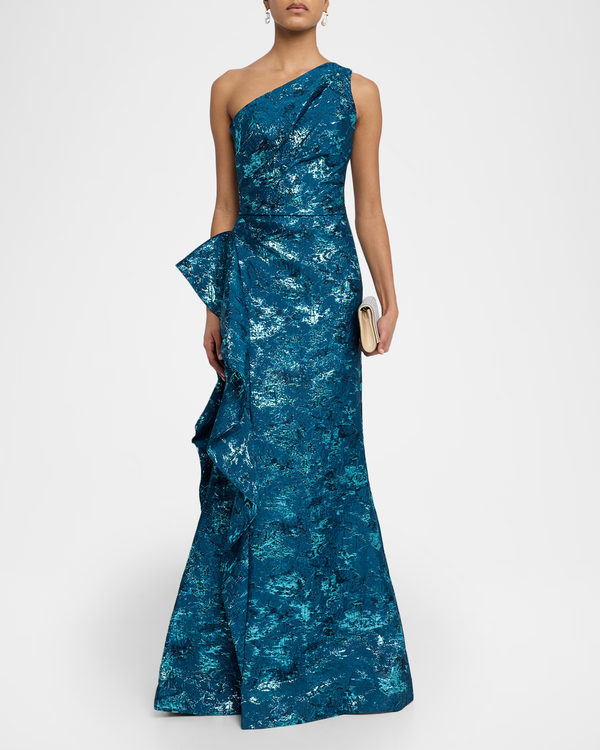
Jacquard can feature floral designs, abstract motifs, or subtle geometric patterns woven directly into the fabric. Brocade often has a more ornate appearance, sometimes incorporating metallic threads or elaborate decorative motifs.
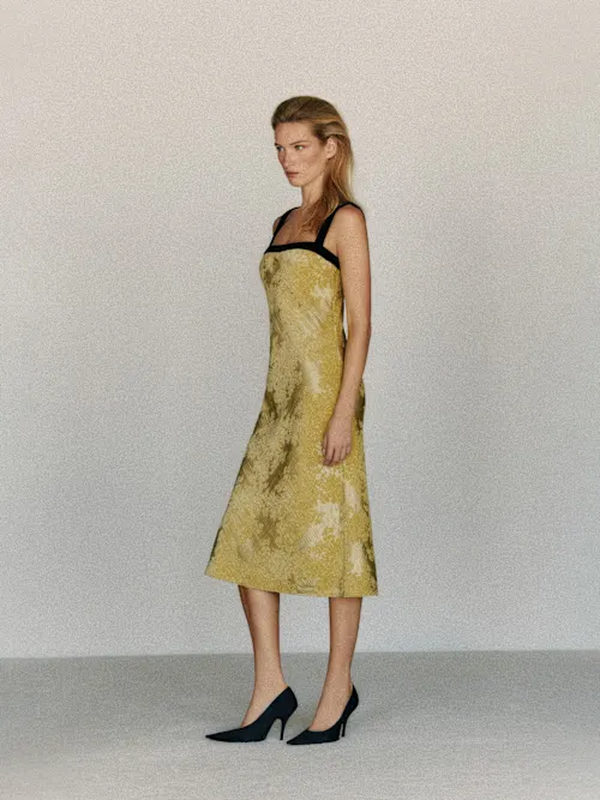
These fabrics are particularly well suited to fall and winter weddings, formal receptions, and celebrations held in grand indoor venues. A structured jacquard midi dress feels polished for a daytime ceremony, while a brocade gown with a defined waist makes a statement at an evening event.
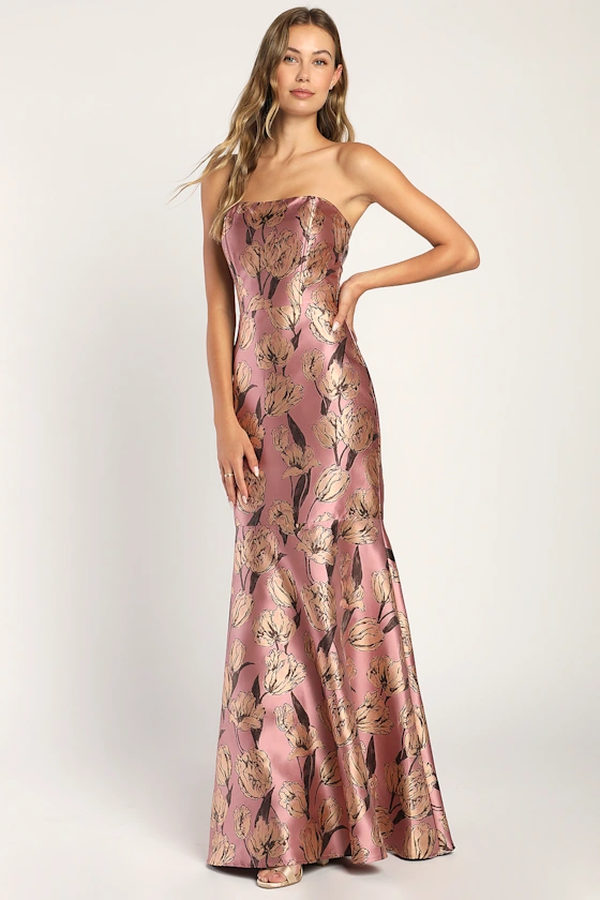
Color also influences the mood. Deep burgundy, forest green, navy, and chocolate brown feel seasonally appropriate, while pale gold and soft pastels offer a lighter approach for spring celebrations.
How to wear it: Let the fabric take center stage. Choose understated jewelry and simple shoes, especially when the dress already features a pronounced woven pattern. Because textured fabrics can add visual volume, consider the overall balance between the bodice, waist, and skirt.
3. Sheer Fabrics, Lace, and Mesh
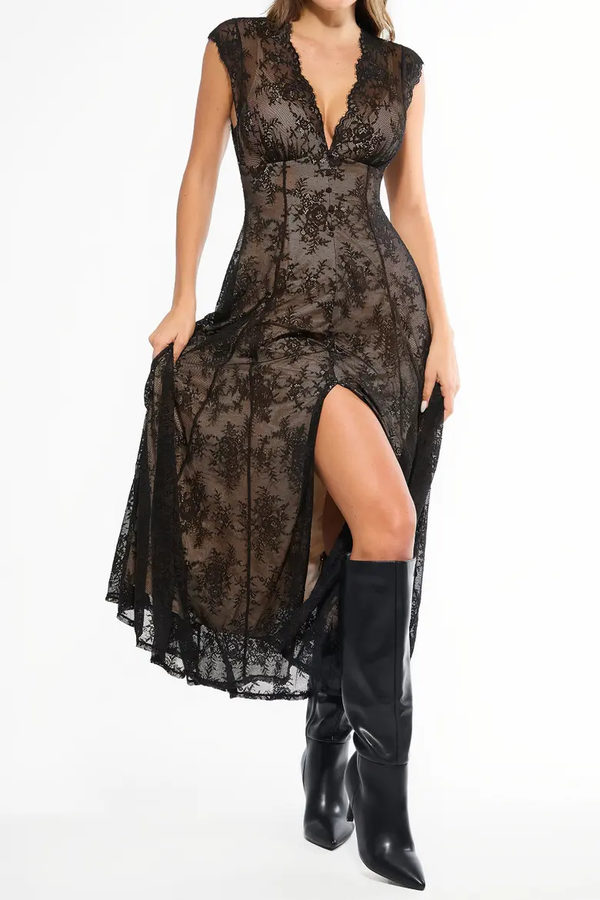
Sheer materials bring a delicate, dimensional quality to wedding guest dresses. Rather than relying on a completely transparent garment, contemporary occasionwear can use strategically placed sheer panels, layered mesh, embroidered tulle, or lace overlays to create interest while maintaining an elegant finish.
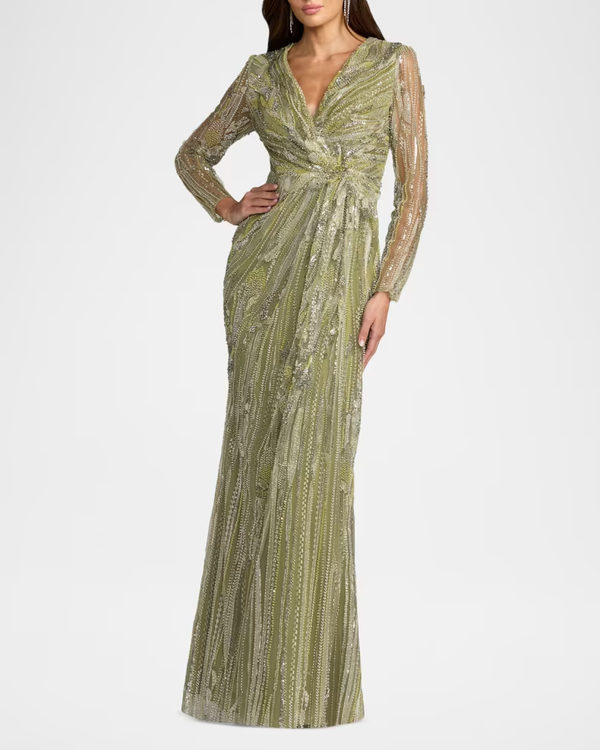
Lace offers a romantic, timeless interpretation. Floral lace sleeves, an embroidered bodice, or a lace overlay over an opaque lining can make a dress feel intricate without appearing overly ornate. Fine mesh and illusion fabrics, meanwhile, create a lighter, more modern effect, particularly when used around the neckline, shoulders, or sleeves.
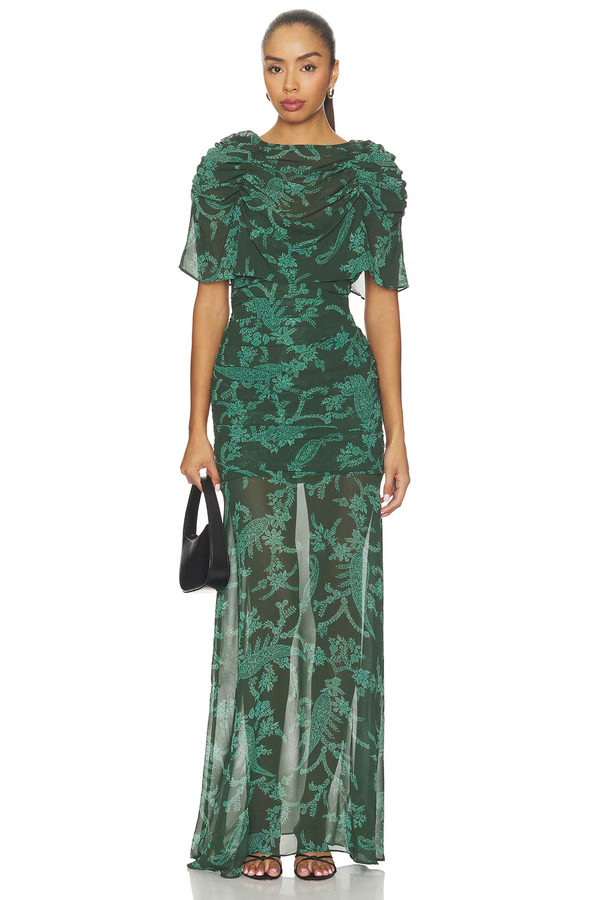
For a fashion-forward look, consider a fitted dress with sheer long sleeves, a flowing gown with embroidered mesh panels, or a midi dress featuring delicate lace layered over a contrasting lining.
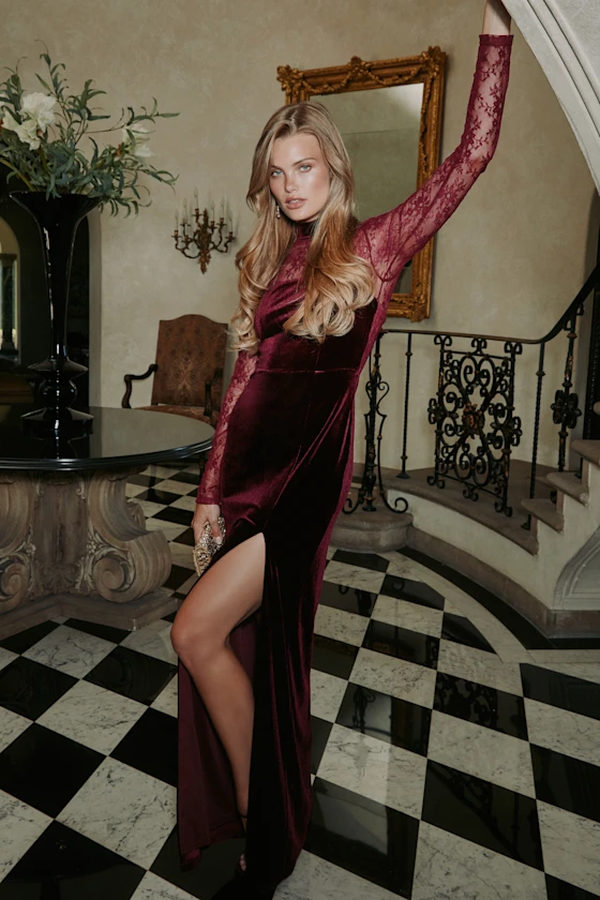
The key is thoughtful placement. Sheer details work best when they feel intentional and complement the structure of the dress rather than overwhelming it.
How to wear it: For a wedding guest outfit, prioritize appropriate coverage and a secure lining. Choose refined undergarments and accessories that work with the dress’s construction. Soft metallic jewelry and simple heels keep the look elegant.
4. Vintage Polka Dots
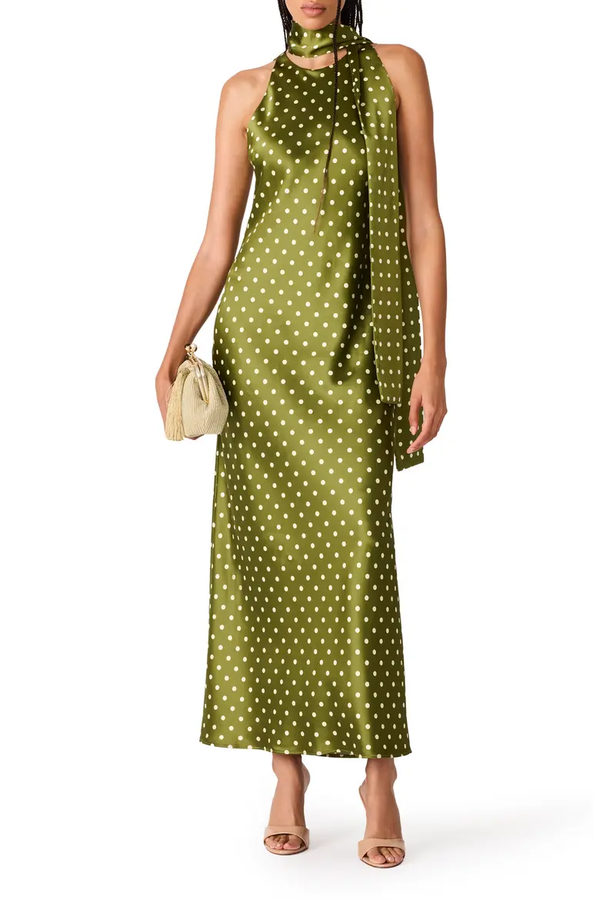
Polka dots bring a playful vintage sensibility to wedding guest fashion. Their appeal comes from the contrast between a familiar pattern and a silhouette that can range from feminine and romantic to sharply modern.
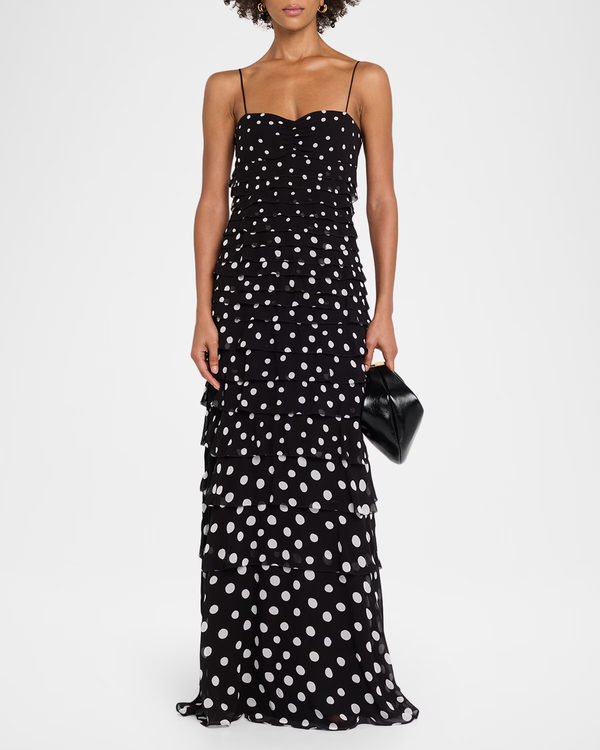
For a classic interpretation, consider a black dress with ivory dots, a navy-and-white midi dress, or a softly draped silhouette in a muted color palette. Larger dots create a bolder visual effect, while smaller patterns tend to feel more delicate and understated.
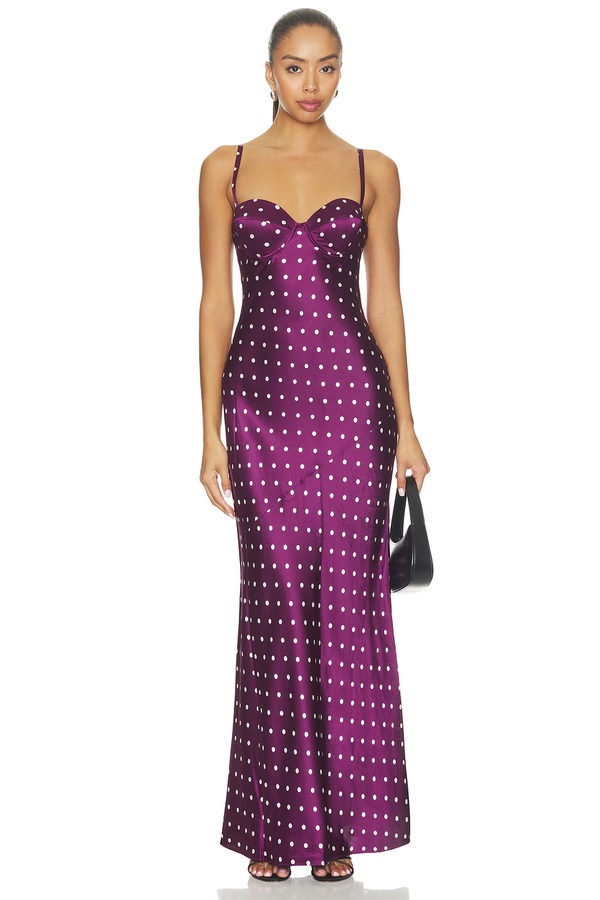
The silhouette makes a difference, too. A fitted bodice with a flared skirt recalls vintage occasionwear, while a fluid slip dress or a sleek column silhouette gives the pattern a contemporary update. Sheer dotted mesh can also introduce texture without making the overall look feel overly busy.
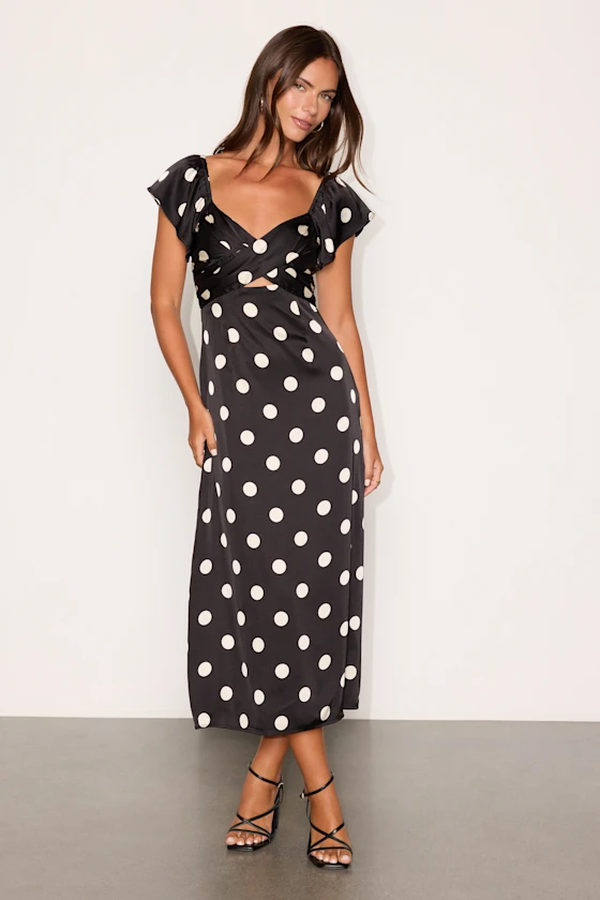
Polka dots are especially versatile for spring and summer weddings, daytime receptions, and semi-formal celebrations. In richer colors and heavier fabrics, they can work for cooler seasons as well.
How to wear it: Pair a polka-dot dress with simple accessories so the pattern remains the focus. A structured handbag and classic pumps create a polished finish, while modern earrings can prevent a vintage-inspired outfit from looking like a costume.
5. Statement Bows
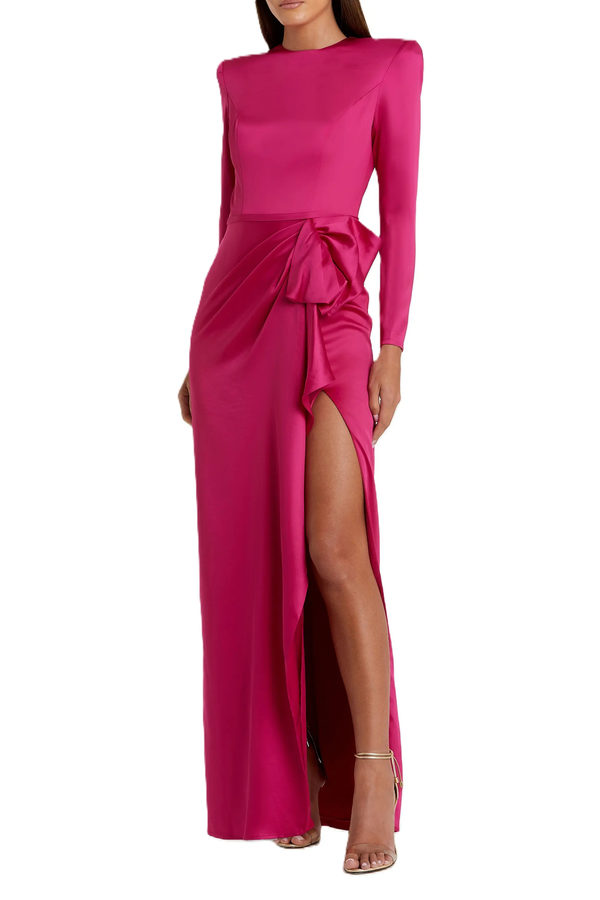
A statement bow can transform an otherwise simple dress into a memorable occasionwear look. In 2027 wedding guest fashion, this idea is best approached through bows that have a clear visual presence: oversized back bows, sculptural shoulder details, dramatic waist accents, or dimensional fabric embellishments.
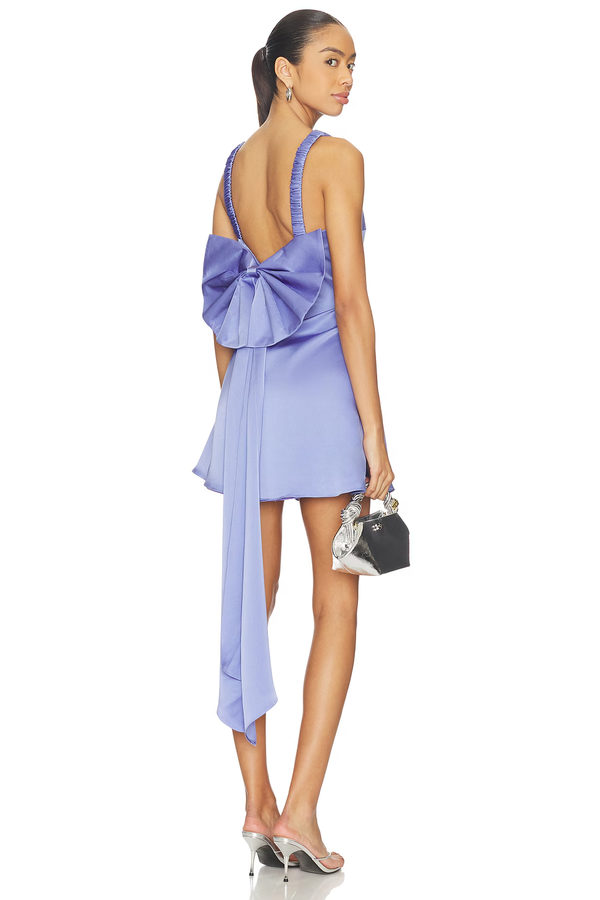
Placement determines the effect. A bow at the back of the neckline adds an unexpected detail when viewed from behind. A bow at the waist emphasizes the silhouette, while a shoulder bow can create a more editorial, architectural look.
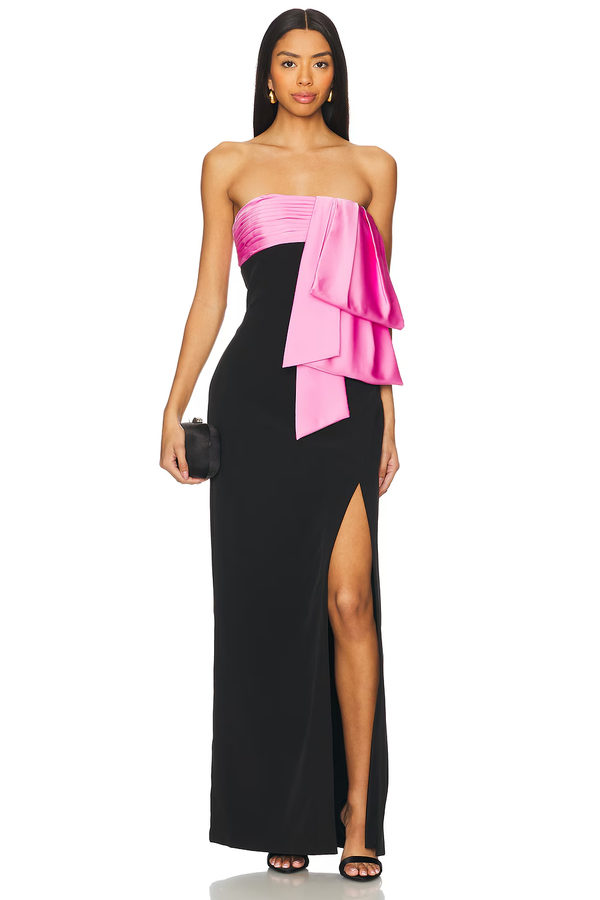
Fabric is equally important. Crisp taffeta and structured satin help bows maintain their shape, while softer silk blends create a more fluid, romantic effect. A small bow can look delicate and understated; a large, sharply constructed bow feels bold and contemporary.
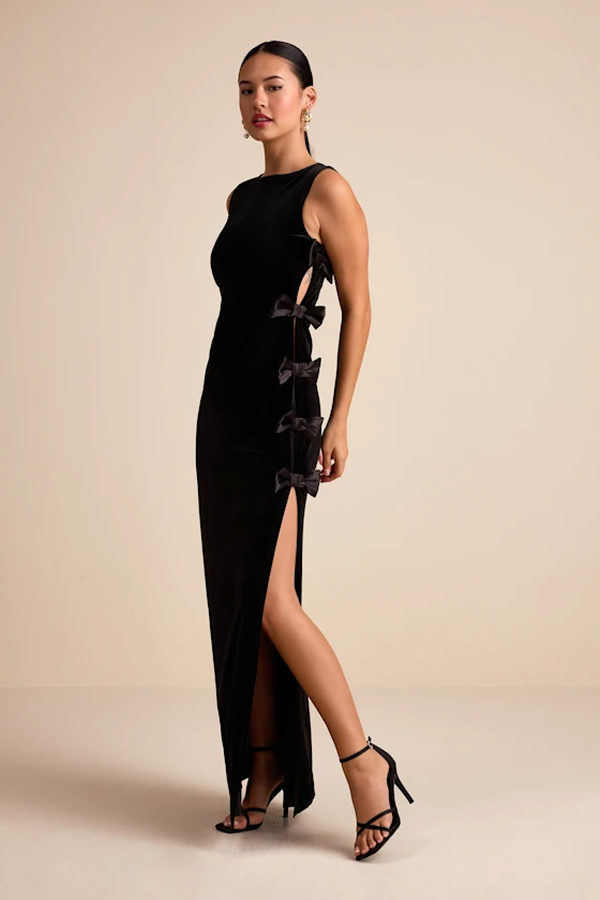
For formal weddings, a floor-length gown with a statement bow at the back can look particularly elegant. For cocktail-attire events, a midi dress with a defined waist and sculptural bow offers a more playful alternative.
How to wear it: Avoid adding too many competing embellishments. Keep jewelry restrained when the bow is oversized, and pay attention to its placement if you plan to wear a jacket or shawl over the dress.
6. Cape and Scarf Details
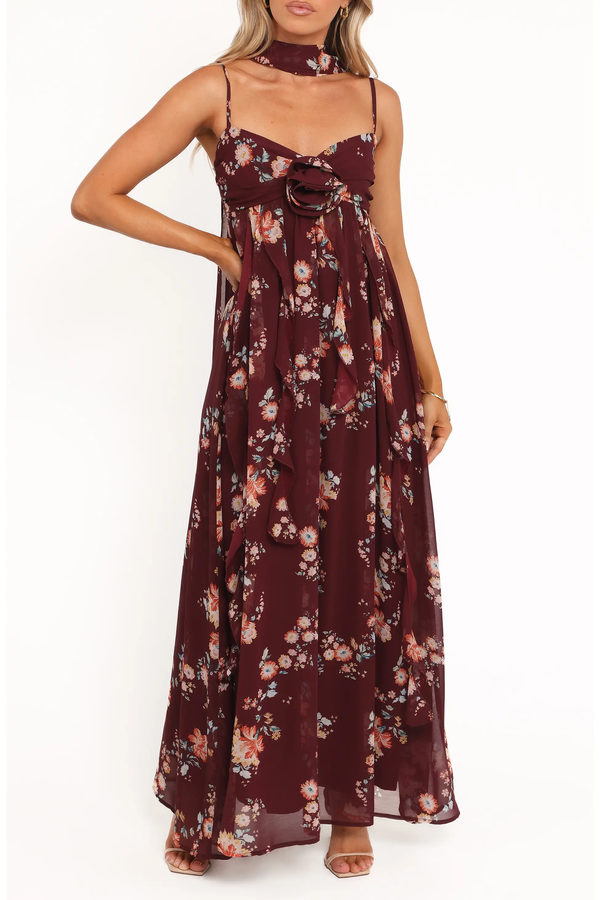
Cape and scarf details introduce movement and drama without necessarily requiring a voluminous skirt or heavily embellished bodice. They offer a sophisticated way to make a wedding guest dress feel distinctive, particularly for formal ceremonies and evening celebrations.
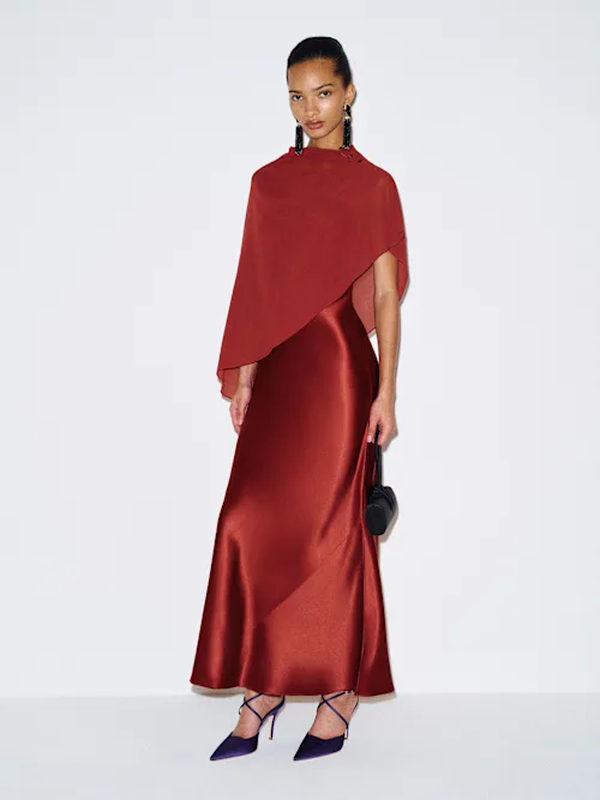
Cape details can range from a short shoulder overlay to a floor-length panel that flows behind the wearer. Scarf-inspired designs may feature long fabric extensions at the neckline, an integrated draped panel, or a soft length of material that moves with the dress.
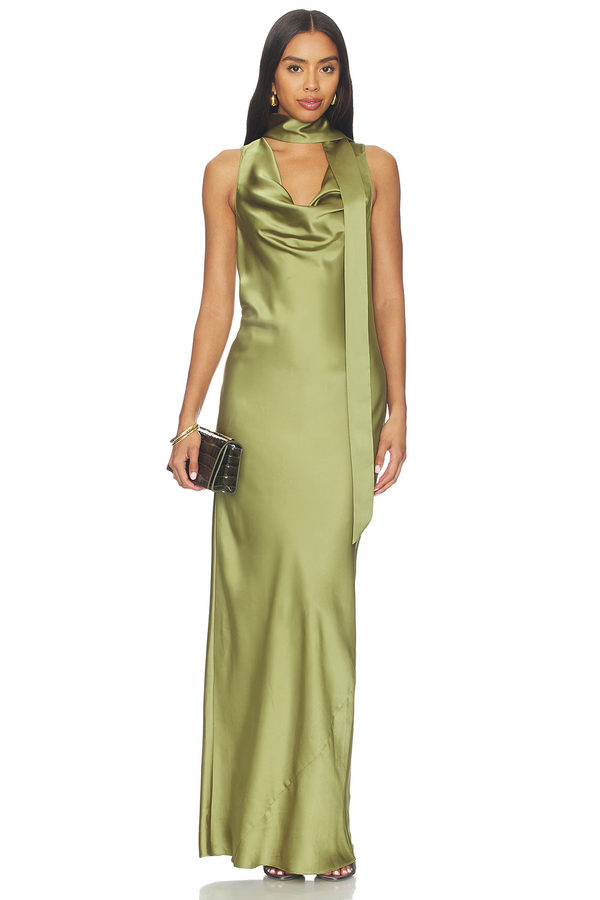
These details work especially well with streamlined silhouettes. A fitted gown with a flowing cape creates a striking contrast between structure and movement, while a minimalist column dress with an attached scarf detail feels modern and understated.
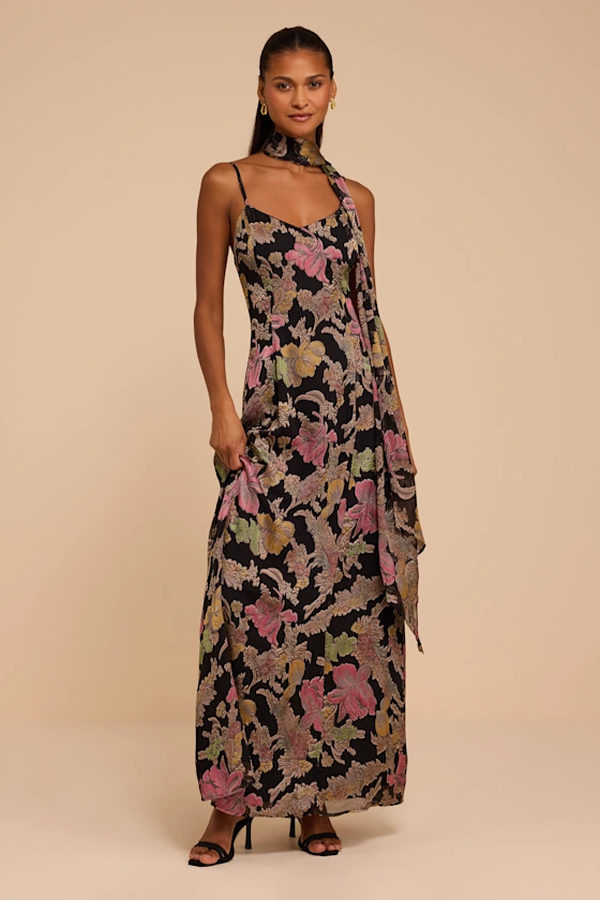
For guests who prefer more coverage around the shoulders and arms, cape-inspired designs can also offer an elegant alternative to a separate jacket. Lightweight chiffon and georgette work well for warmer weather, while heavier crepe and satin create a more formal effect.
How to wear it: Keep the rest of the outfit simple, especially when the cape or scarf detail is long or dramatic. Choose a handbag that doesn’t interfere with the flowing fabric, and consider the venue when deciding how much volume and length will be practical.
7. Tiered Ruffles
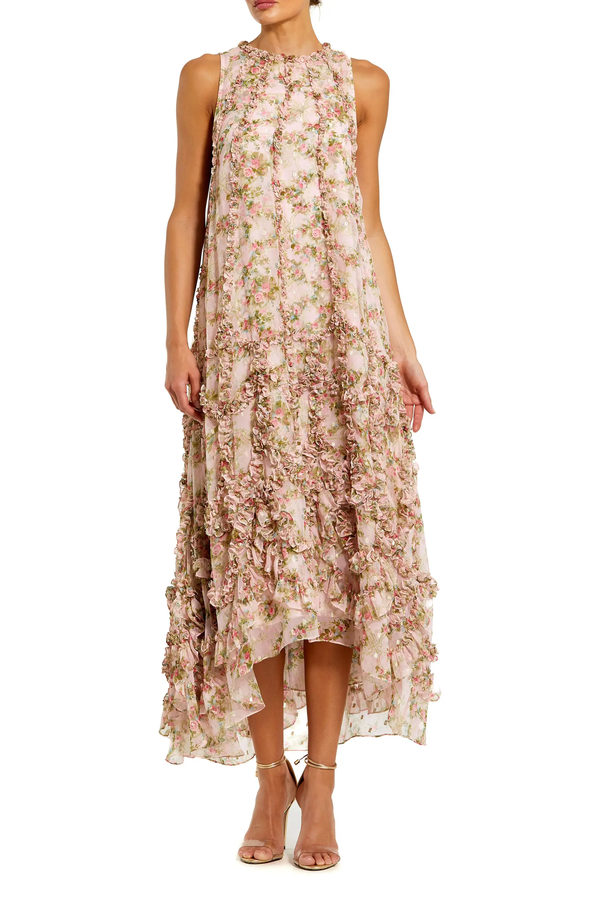
Tiered ruffles bring dimension, movement, and a sense of occasion to wedding guest dresses. Unlike a dress with a single ruffled neckline or hem, this design features multiple layers that build visual volume throughout the skirt or, occasionally, the bodice.
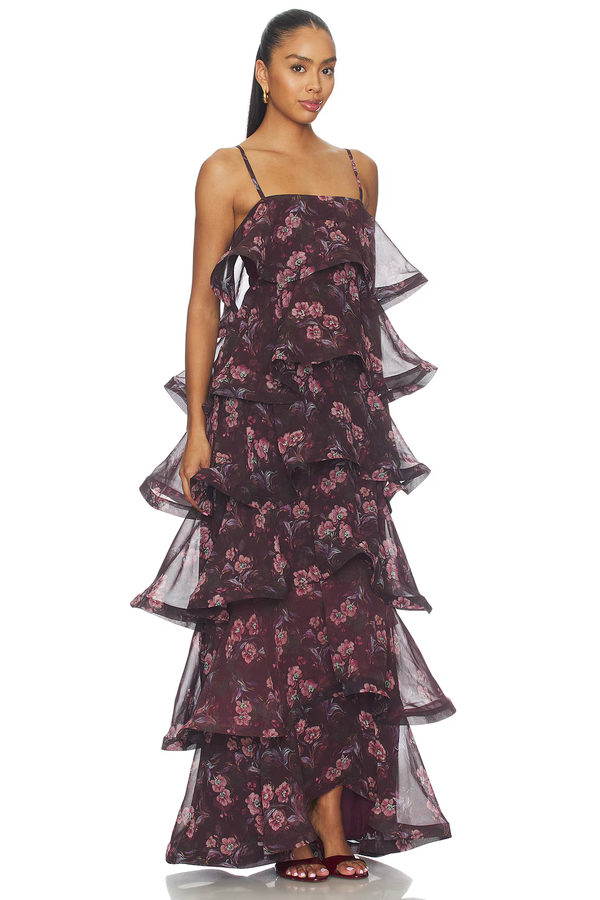
The result can be romantic and airy or bold and dramatic, depending on the fabric and construction. Lightweight chiffon creates soft, floating layers that work beautifully for garden weddings and summer celebrations. Organza produces more defined ruffles, while satin can give the silhouette a sculptural finish.
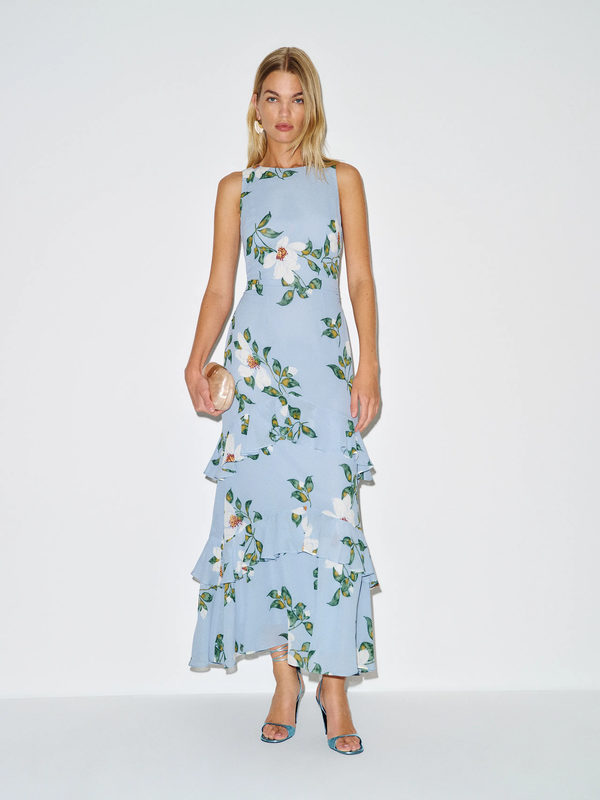
A tiered maxi dress in a soft pastel shade offers a romantic daytime look. For an evening reception, consider a more structured version in a saturated color, with carefully controlled layers rather than excessive volume.
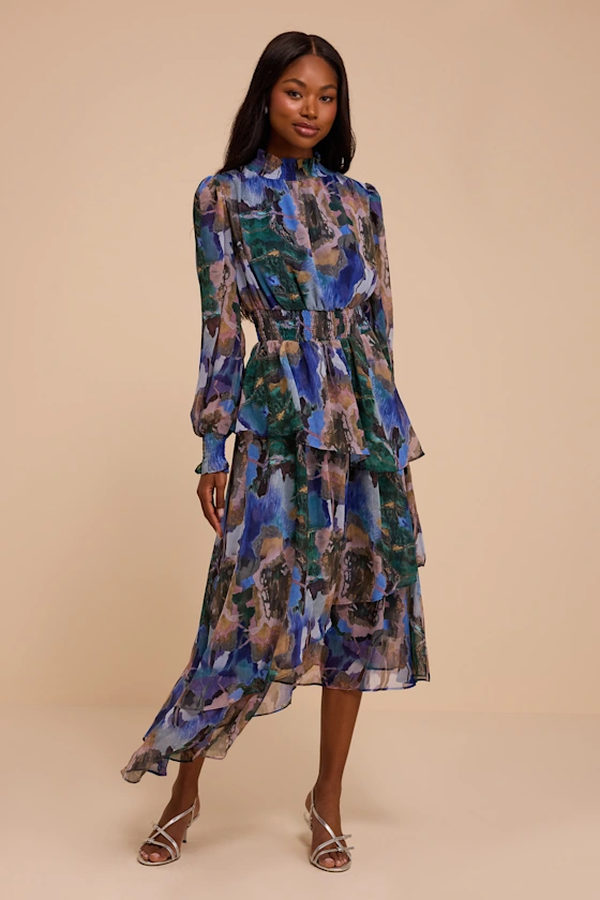
Proportion is important. Some designs concentrate the ruffles at the hem, creating movement without overwhelming the figure. Others distribute the layers throughout the skirt for a more dramatic silhouette.
How to wear it: Choose simple shoes and a relatively compact handbag to balance the dress’s volume. If the skirt is particularly elaborate, a clean neckline and understated jewelry help keep the outfit polished.
8. Bold, Oversized Prints
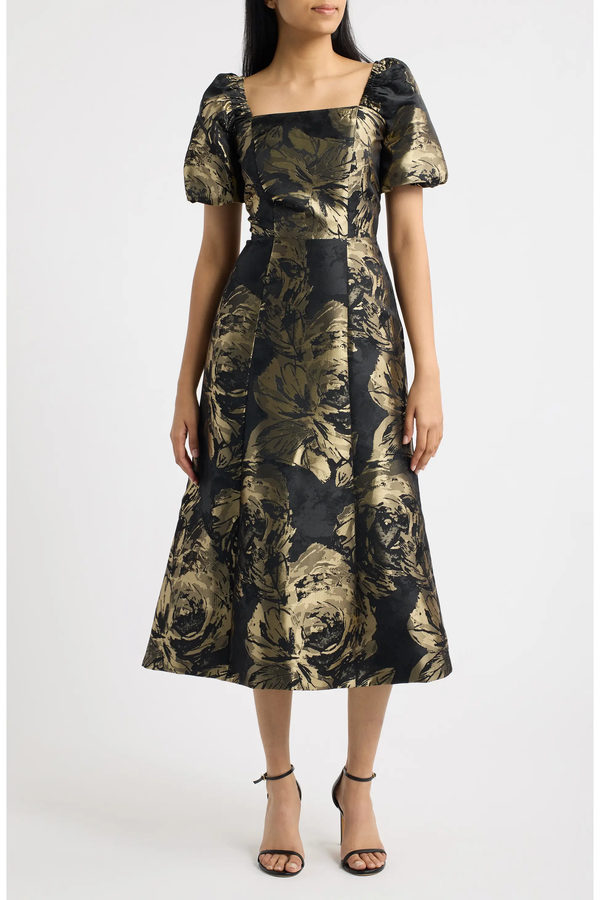
For wedding guests who want their dresses to make an impression, oversized prints offer a striking alternative to delicate florals and understated solids. Large-scale flowers, painterly patterns, abstract shapes, and expressive botanical motifs can give an outfit the feel of wearable art.
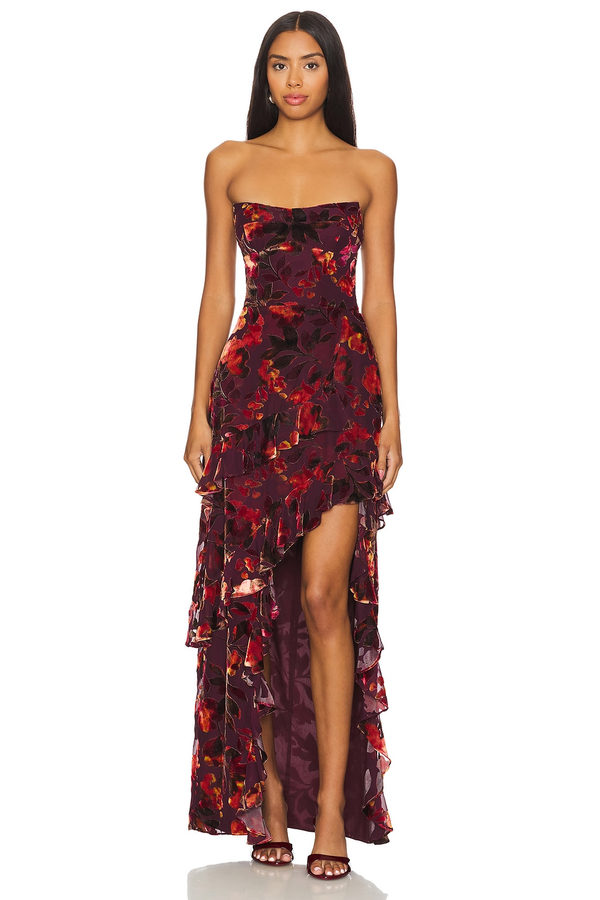
The defining feature is scale. Rather than a small, evenly repeated pattern, these dresses use large motifs that command attention across the bodice or skirt. Some designs feature a single oversized floral composition, while others combine multiple colors and shapes in a more expressive arrangement.
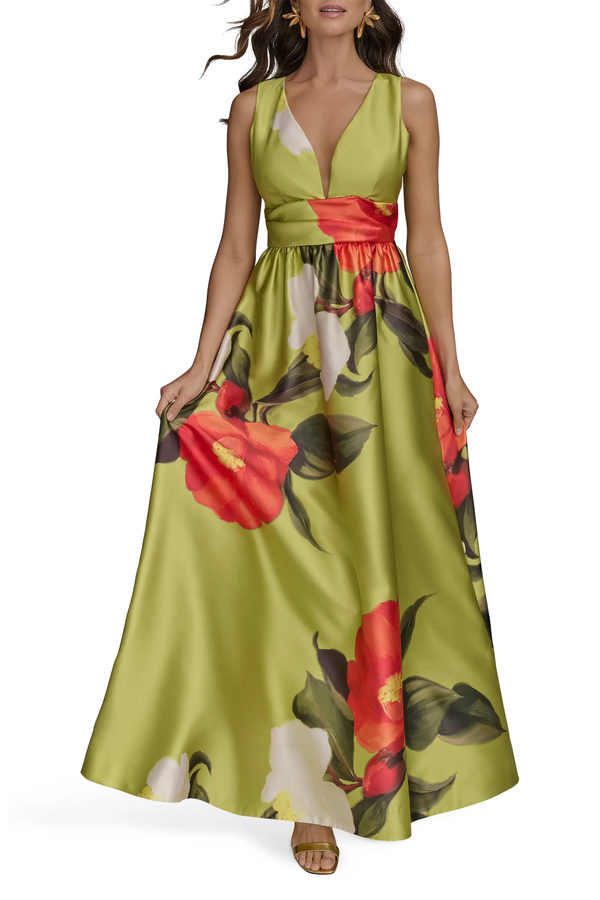
The placement of the print matters as much as the pattern itself. A large motif positioned across the skirt creates a different effect from a design that follows the contours of the bodice. Dresses with intentional pattern placement often look more refined than those with an indiscriminate mix of competing motifs.
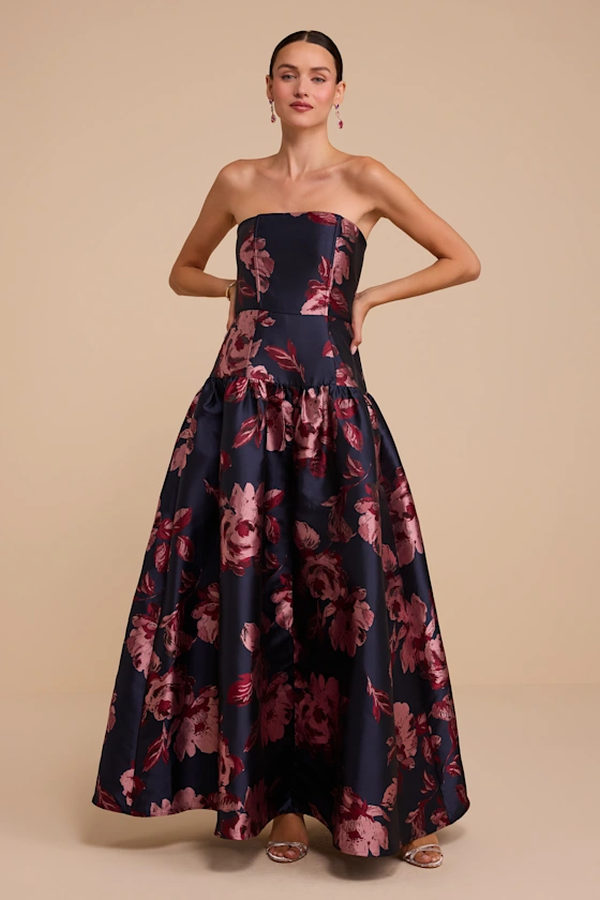
For spring and summer weddings, consider painterly florals in coral, pink, blue, or green. For a more modern look, abstract prints in contrasting colors can feel particularly striking.
How to wear it: Let the print lead the outfit. Choose accessories in one of the colors already present in the dress, or opt for neutral shoes and a simple clutch. If the print is very bold, avoid adding another prominent pattern.
9. Modern Black-and-White Color-Block Dresses
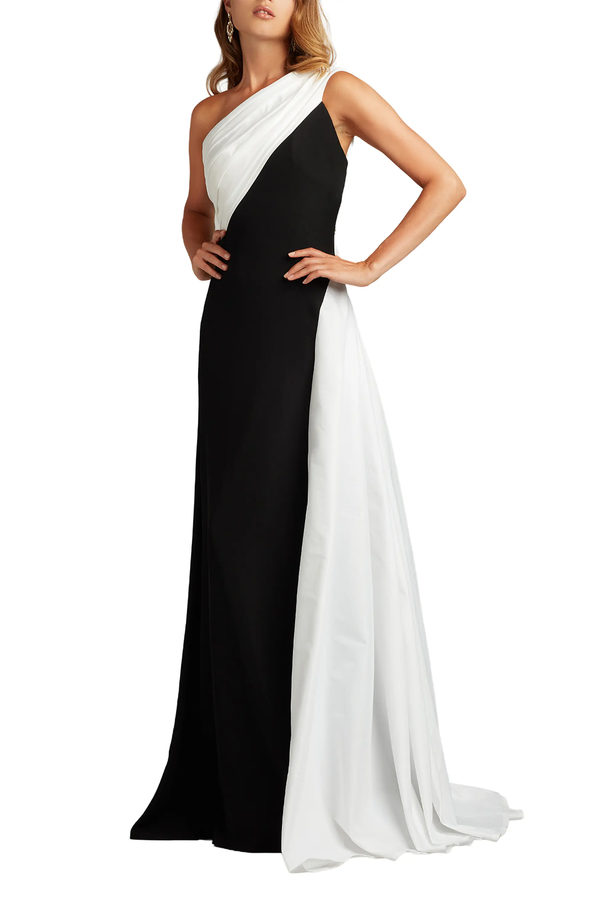
Black-and-white color blocking offers a graphic, contemporary alternative to traditional wedding guest prints. Instead of using an all-over pattern, these dresses combine contrasting sections of black and white to create a clear visual structure.
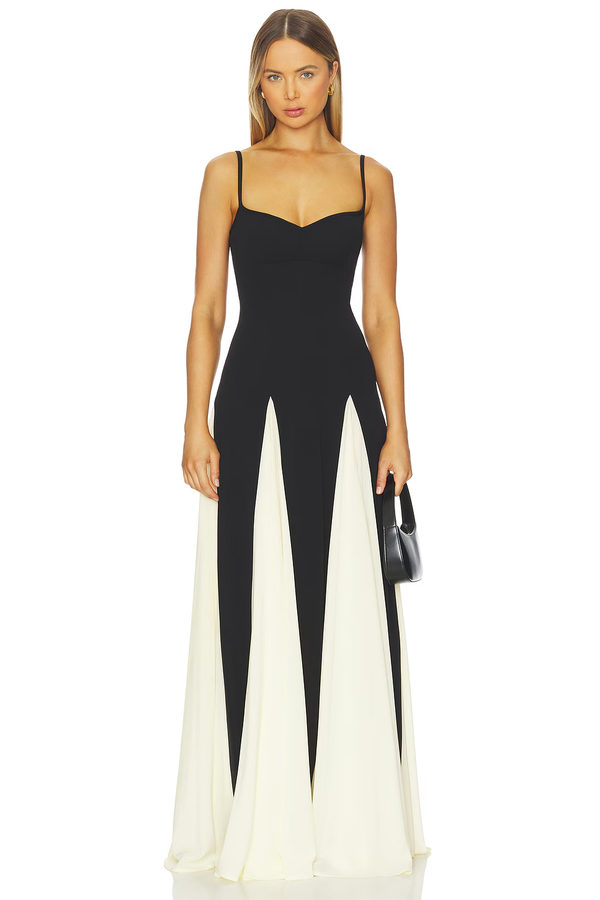
The most compelling designs make the color placement part of the silhouette. A black bodice paired with a white skirt, sharply defined side panels, contrasting neckline details, or geometric sections can create a striking effect without relying on elaborate embellishments.
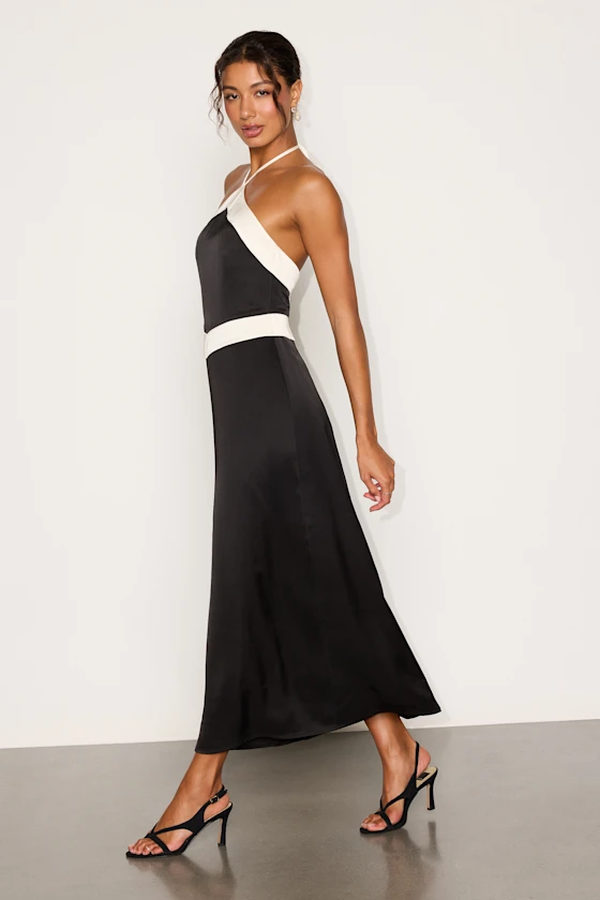
For a formal wedding, a black-and-white gown with clean lines and a restrained silhouette feels sophisticated. A midi dress with contrasting panels is a versatile choice for cocktail-attire events, while more architectural designs suit guests who prefer a fashion-forward aesthetic.
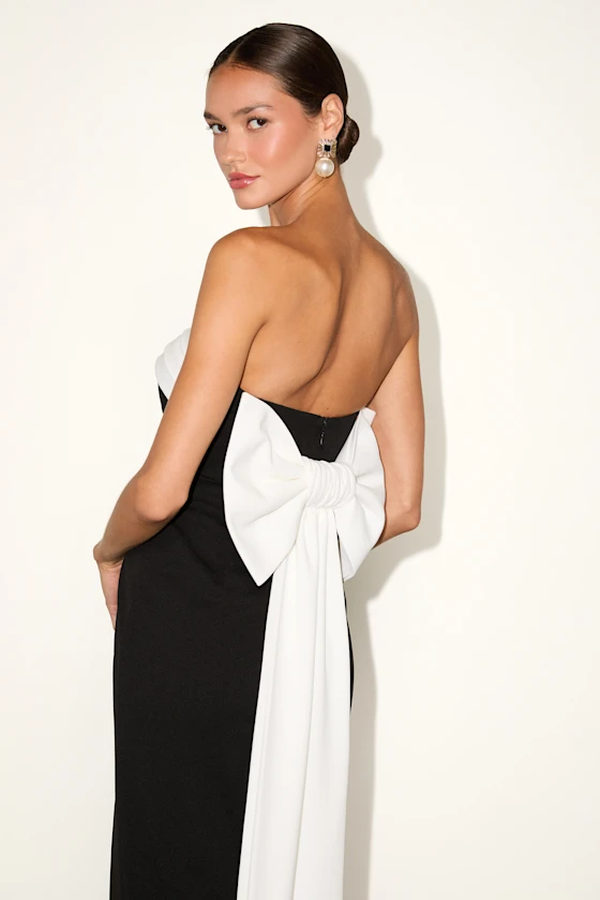
The appeal of this combination lies in its versatility. It can feel minimalist, dramatic, retro-inspired, or distinctly modern depending on the proportions and construction.
One important consideration is the wedding dress code. Although black-and-white color blocking can be elegant, avoid designs that resemble a bridal gown or are predominantly white in a way that might compete with the bride’s outfit. When in doubt, choose a design in which black is the dominant color.
How to wear it: Continue the graphic effect with simple black heels and a structured clutch. Metallic jewelry can soften the contrast, while minimal accessories preserve the dress’s clean lines.
10. Beaded Embellishments
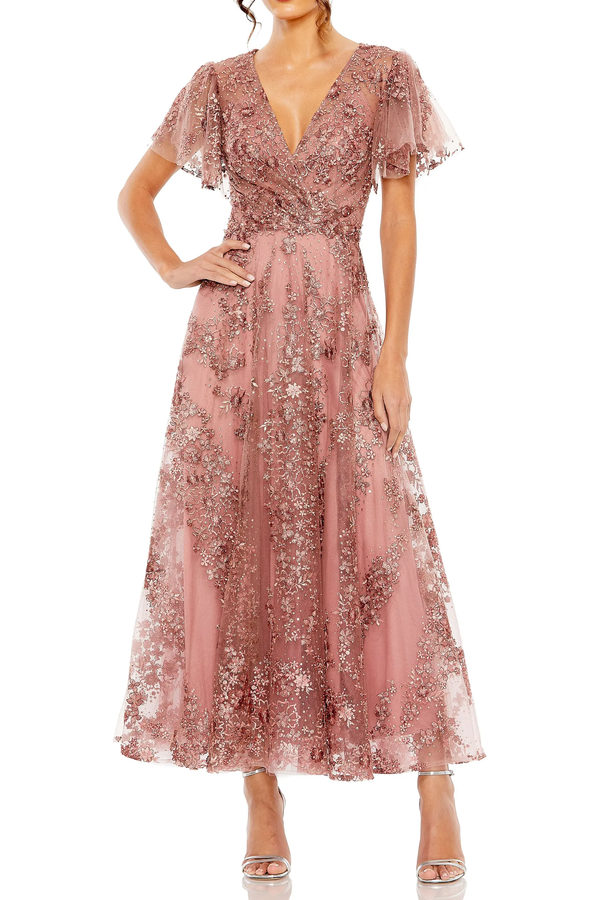
Beaded embellishments bring craftsmanship and dimension to wedding guest dresses. From delicate hand-applied beads to intricate patterns covering an entire bodice, beadwork creates visual interest through texture, reflection, and detail.
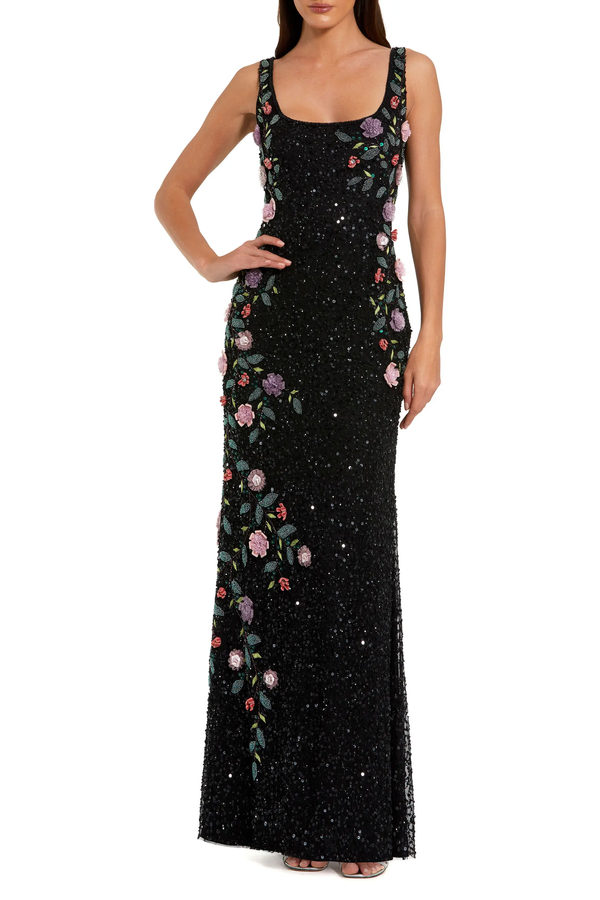
The effect depends on the technique. Small beads arranged in floral motifs offer a romantic finish, while geometric beadwork feels more contemporary. All-over embellishment creates a glamorous evening look, whereas beads concentrated around the neckline, waist, or sleeves provide a more understated interpretation.
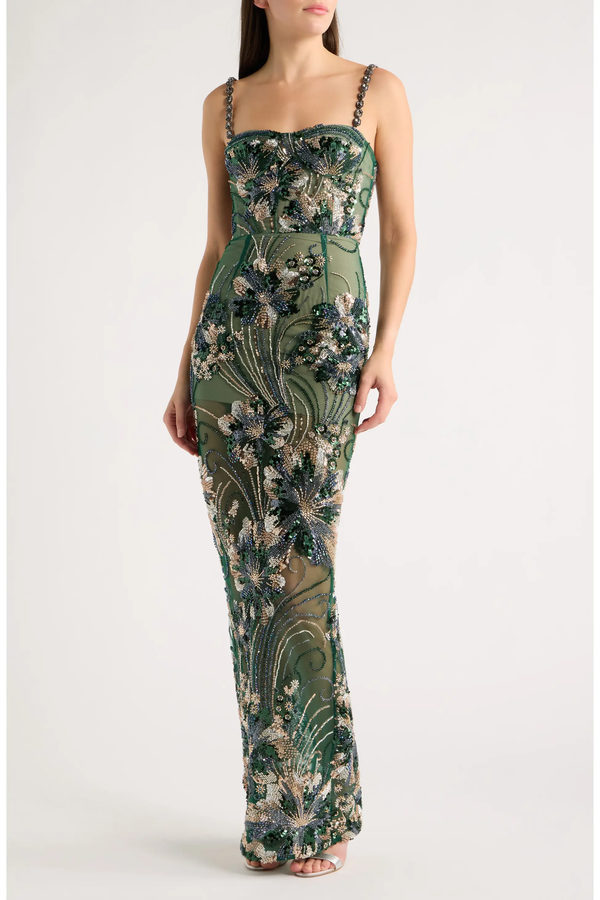
For formal weddings, a beaded gown in champagne, navy, deep green, or burgundy can feel especially elegant. A dress with subtle beadwork on the bodice works well for guests who want a refined look without the intensity of a fully embellished design.
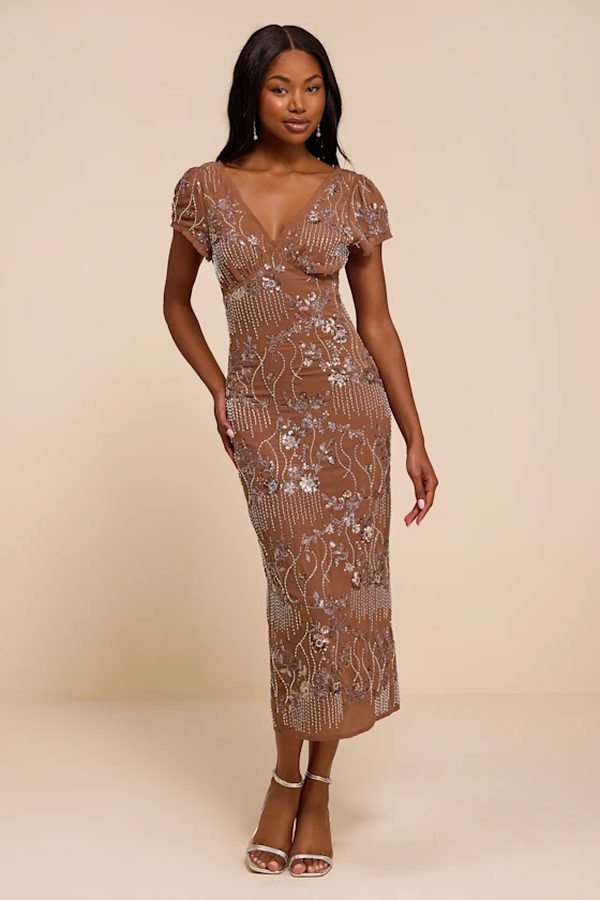
Beading also adds texture that differs from the shine of a metallic fabric or a simple sequin finish. The most interesting designs use beads to create a pattern or dimensional effect rather than relying on sparkle alone.
How to wear it: Keep accessories simple, particularly when the dress features extensive beadwork. Choose comfortable footwear and check the garment’s weight before committing to a long event. For outdoor weddings, consider whether the embellishments are practical for the setting.